The first weeks with a newborn can make every feed feel like a small project: sterilising equipment, measuring formula and watching feeding cues. Formula feeding a newborn does not need to run to a rigid clock. A safe routine, careful formula preparation and responsive bottle feeding can make feeds calmer, whether your baby is fully formula-fed or combination-fed.
Start with the right formula and simple equipment
For most babies in the UK, first infant formula is the standard formula from birth and can remain their main milk drink throughout the first year. All infant formula sold in the UK must meet legal nutritional standards, so a higher price does not automatically mean a better choice. Specialist formulas, including anti-reflux or hypoallergenic products, are best used with advice from a health professional.
You mainly need bottles, teats, a bottle brush and a suitable sterilising method. A slower-flow teat can help stop milk flowing too quickly for a newborn. Check bottles and teats regularly and replace anything cracked, torn or damaged.
Build a safe formula preparation routine
Powdered infant formula is not sterile, so careful preparation matters. UK guidance says bottles, teats and other feeding equipment should be cleaned and sterilised until your baby is at least 12 months old. Wash your hands and clean the preparation surface before handling sterilised equipment.
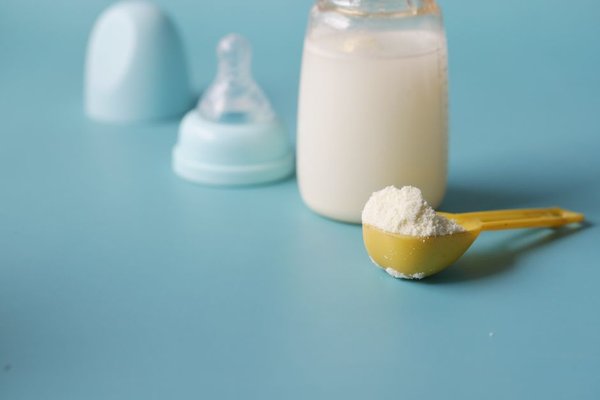
For a fresh feed, use fresh cold tap water in the kettle rather than previously boiled or artificially softened water. Boil it, then leave it to cool for no more than 30 minutes so it remains at least 70°C when mixed with the powder. Put the measured water into the bottle first, then add the exact number of level scoops stated on the formula packaging. Use only the scoop supplied with that formula.
Do not add extra powder to make a feed more filling, or extra water to stretch it. Changing the powder-to-water ratio can make a feed unsafe. Once mixed, cool the sealed bottle under cold running water and test the temperature on the inside of your wrist. It should feel warm or cool, not hot.
A useful middle-of-the-night routine is to keep clean, sterilised equipment ready while still making each powdered feed fresh. At 2am, for example, boil fresh water, prepare the bottle on a clean surface, cool it safely and then settle into the feed. This avoids the temptation to make several powdered bottles in advance simply for convenience.
Let your newborn set the pace
Newborn formula feeding is usually easier when it is responsive rather than driven by a strict timetable. Early hunger cues can include bringing hands towards the mouth, rooting, moving the head or becoming more alert and restless. Crying is often a later hunger cue, so offering a feed before your baby becomes very upset may make feeding easier.
Babies often feed little and often in the early weeks, and the amount taken can vary from one feed to the next. Avoid treating a feeding-chart volume as a target your baby must finish. Appetite, growth and feeding frequency differ between babies. Weight gain, wet nappies and your baby’s overall wellbeing give a more useful picture than whether every bottle is emptied.
Use a comfortable bottle-feeding position
Hold your baby close in a semi-upright position with their head and neck supported. Touch the teat gently to the upper lip and allow your baby to draw it into their mouth. Keep the bottle mostly horizontal, with just enough tilt to keep milk in the teat. This helps prevent the flow becoming too fast.
Watch for signs that your baby needs a pause or has had enough. They may stop sucking, turn away, spill milk or push the bottle away. Lowering the bottle or removing the teat gives them a break. Never force a newborn to finish a bottle, and never prop a bottle or leave a baby feeding unattended.
Burping, spit-up and common early worries
Some babies need a burping break during a feed; others are comfortable until the end. If your baby becomes unsettled, pause, hold them upright with good head and neck support, and gently rub or pat their back. A small amount of milk coming back up can be normal in young babies.
If feeding is consistently difficult, your baby repeatedly vomits, seems unusually sleepy for feeds, has noticeably fewer wet nappies, or you are worried about weight gain or hydration, contact your midwife, health visitor, GP or NHS 111 for individual advice. Breathing difficulty or a very unwell newborn needs prompt medical assessment.
Handle leftovers and ready-to-feed formula safely
Make powdered formula one feed at a time whenever possible. Any formula left in the bottle after your baby has fed should be thrown away rather than saved, because bacteria from the baby’s mouth can enter the milk. Follow current NHS and manufacturer guidance on time limits for any prepared formula that has been sitting at room temperature.
Ready-to-feed liquid infant formula can be useful when safe powdered formula preparation is difficult, such as during some journeys. It is sterile until opened, but feeding equipment still needs to be sterilised. After opening, follow the storage instructions carefully and refrigerate unused formula as directed.
Make the first weeks manageable
A workable routine matters more than making every feed identical. Keep the feeding area organised, restock clean bottles before the evening, and share feeds with another caregiver when that helps you rest. For combination feeding, the same bottle-safety principles apply. If you are also breastfeeding and have questions about supply or timing, a midwife or health visitor can help.
Frequently asked questions
How often should a formula-fed newborn feed?
There is no single schedule that suits every newborn. Feed responsively when your baby shows hunger cues. Newborns commonly feed little and often, and patterns can change from day to day.
Can I make several formula bottles in advance?
UK guidance recommends making powdered formula one feed at a time as it is needed because this reduces the risk of infection. If fresh preparation is not possible, ask your health visitor about the safest option or consider ready-to-feed formula where appropriate.
Do I need to warm formula before feeding?
No. Formula does not have to be served warm. What matters is that a freshly prepared powdered feed is cooled to a safe drinking temperature before it reaches your baby. Never heat formula in a microwave because it can create hot spots.
How do I know whether my newborn is getting enough?
Look at the bigger picture rather than one bottle. Steady weight gain, an appropriate pattern of wet nappies and generally effective feeding are reassuring signs. If you are unsure, your midwife or health visitor can assess feeding and growth rather than relying on a fixed bottle amount.
A steady, safe routine goes a long way
The early days become easier when you focus on a few dependable habits: prepare powdered formula safely, sterilise feeding equipment, hold your baby in a supported position and follow hunger and fullness cues. With those infant formula basics in place, feeds can become a quiet opportunity to hold, observe and get to know your newborn rather than a test of whether they finish the bottle.