Articles for category: Baby

JeraldDossantos

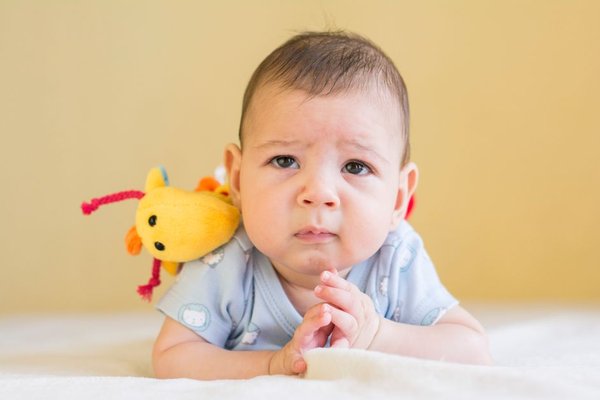
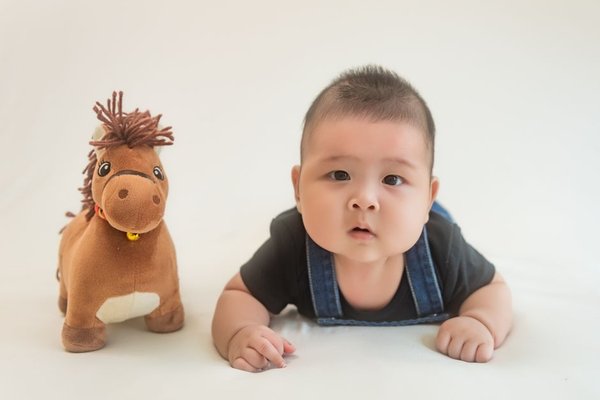
tummy time milestones by age

Tummy Time Milestones by Age: Head, Arms and Core Progress

A newborn’s first tummy time session may last only a minute, with little more than a sideways head turn to show for it. A few months later, that same baby might be propped on their forearms, looking around the room. Tummy time milestones by age help you notice that gradual change: how the head lifts, ...
JeraldDossantos

baby language development milestones

Baby Language Development Milestones: Sounds to First Words

Long before your baby says “mama”, they are already communicating. A pause after your voice, an excited squeal or a hand reaching towards a familiar toy can all carry meaning. Understanding baby language development milestones means noticing these small exchanges, not simply waiting for a first word. Development follows a broad pattern, from listening and ...

JeraldDossantos

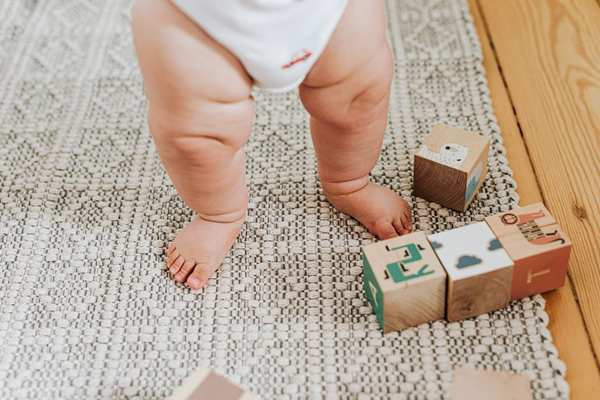
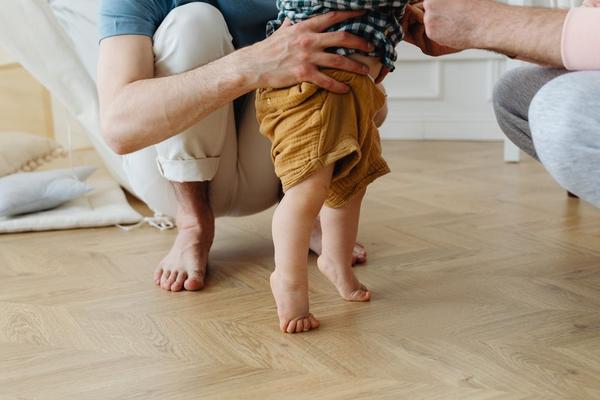
baby walking milestones

Baby Walking Milestones: First Steps to Steadier Walking

A baby who cruises confidently around the sofa may still refuse to take a step into open space. Another might suddenly walk across the room after weeks of barely letting go. Both stories fit the uneven way baby walking milestones unfold. First steps are exciting, but they are one moment in a longer process of ...

JeraldDossantos

baby head control milestones

Baby Head Control Milestones: What Develops and When

One day your baby’s head seems to wobble whenever you lift them; a few weeks later, they are peering over your shoulder as if they have somewhere important to be. Baby head control milestones are gradual changes, not one dramatic moment. They begin with tiny neck movements and develop into the steadiness needed for reaching, ...

JeraldDossantos

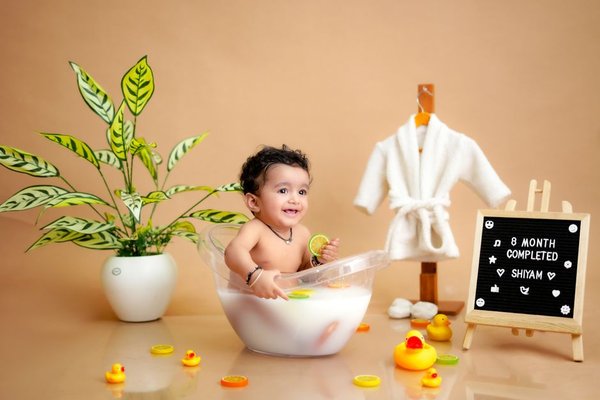
8 month old baby milestones

Eight-Month-Old Baby Milestones: What to Expect

At eight months, your baby may suddenly seem much more determined to explore. The toy that was just out of reach last week is now a challenge to solve, and a familiar face disappearing around a doorway might prompt an immediate protest. These small everyday moments offer clues to your baby’s growing strength, memory and ...

JeraldDossantos

3 month old baby milestones

Three-Month-Old Baby Milestones: What to Expect

At three months, changes in your baby can feel surprisingly personal. A smile appears as you lean close, a familiar voice earns a little sound in reply, or a head that once wobbled now lifts during play. These are the everyday clues parents often mean when they search for 3 month old baby milestones. There ...

JeraldDossantos

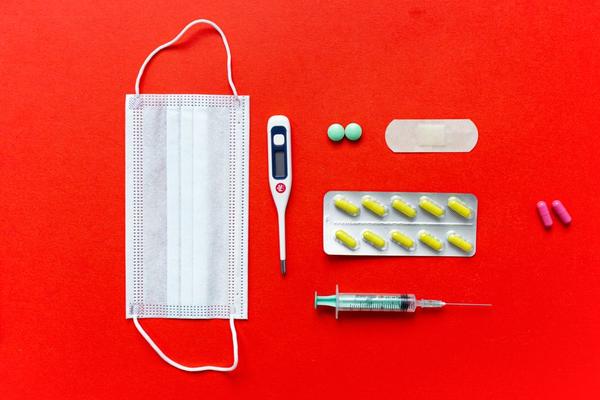
fever after baby vaccinations

Fever After Baby Vaccinations: What Parents Should Know

A baby who felt comfortable at their vaccination appointment may seem unusually warm or unsettled that evening. Fever after baby vaccinations can be worrying, especially when your child is too young to explain how they feel. Reassuringly, a short-lived temperature is a recognised response to some vaccines. Still, the timing, your baby’s age and how ...

JeraldDossantos

febrile seizures in babies

Febrile Seizures in Babies: What Parents Need to Know

Watching your baby suddenly stiffen, shake, or stop responding is terrifying, especially when they seemed to have only a fever moments earlier. Febrile seizures in babies can look dramatic, but most are brief and do not cause lasting harm. The immediate priority is keeping your child safe and recognizing when emergency help is needed. If ...

JeraldDossantos

hand foot and mouth in babies

Hand, Foot and Mouth Disease in Babies: Symptoms and Care

A baby who suddenly refuses feeds, drools more than usual, and develops spots on their hands may have hand, foot and mouth disease. The combination can be unsettling, especially when mouth pain makes a normally eager feeder turn away. Fortunately, hand foot and mouth in babies is usually a short-lived viral illness. The priorities are ...

JeraldDossantos

signs of dehydration in babies

Signs of Dehydration in Babies: What Parents Should Watch For

A baby with a stomach bug may lose fluids through vomiting or diarrhoea. A fever can also increase fluid needs, while a blocked nose or general illness may make feeding harder. That’s why signs of dehydration in babies can appear during several illnesses, sometimes before the original symptoms seem severe. Notice changes from your baby’s ...