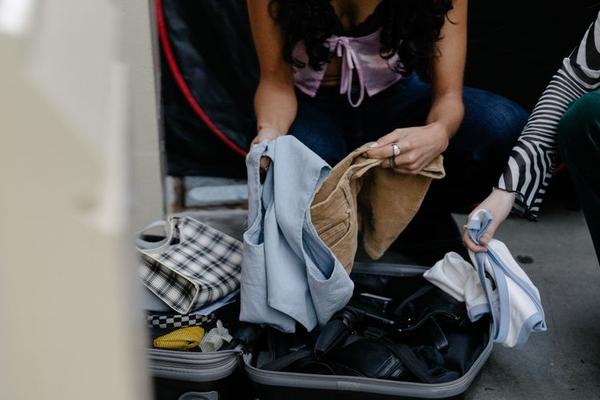
There’s something surreal about packing a bag for a trip you can’t quite plan the timing of. You know it’s coming, you just don’t know if it’ll be Tuesday afternoon or three weeks from now at 2am. That’s exactly why sorting your hospital bag early is one of the most reassuring things you can do in the final stretch of pregnancy. Once it’s packed and by the door, one less thing sits on your mind, and you can focus on the rest of your birth preparation with a clearer head.
This guide walks through exactly what to pack for labour in the UK, covering what you need for yourself, your baby, and your birth partner, along with a few practical extras that often get forgotten until it’s too late to nip to the shops.
When Should You Pack Your Hospital Bag?
Most midwives in the UK recommend having your hospital bag ready from around 36 weeks. Babies don’t always follow the due date on your notes, and a good number arrive earlier than expected. Packing early means you’re not scrambling to find your maternity pads while contractions are already five minutes apart.
It helps to pack in three separate bags, or at least clearly labelled sections within one: one for labour itself, one for your postnatal stay, and one for your baby. That way, whoever’s grabbing the bag on the way out the door doesn’t need to think too hard about what goes where.
Hospital Bag Checklist: What to Pack for Labour
This is the bag you’ll want easy access to during active labour, so keep it light and practical.
For You During Labour
- Your maternity notes and birth plan (if you have one)
- A comfortable, loose nightdress or old t-shirt you don’t mind getting marked
- Socks, as hospital floors and delivery rooms tend to be cold
- Hair ties or a headband to keep hair off your face
- A hand fan or spray bottle for cooling down between contractions
- Snacks and drinks, particularly ones with a bit of sugar for energy
- A phone charger with a long cable, ideally one that reaches from a wall socket to the bed
- Any TENS machine, if you’re planning to use one
- Lip balm, since hospital air and gas and air can leave lips very dry
Many women also find a birthing ball helpful, though most UK hospitals and birth centres provide these on-site, so check with your unit before you buy your own.
Comfort Items Worth Considering
Labour can take hours, sometimes longer than a full day, so small comforts genuinely matter. A playlist downloaded onto your phone (don’t rely on hospital wifi), a soft pillow from home in a coloured pillowcase so it doesn’t get mixed up with hospital linen, and even a photo or object that helps you feel calm can all make a difference to how the experience feels.
What to Pack for After the Birth
Once baby has arrived, your priorities shift a little. This part of your hospital bag essentials list covers the recovery period, which could be anywhere from a few hours to a couple of days depending on how your birth goes.
For Mum
- Maternity pads, several packs, as bleeding after birth is heavier than a normal period
- Disposable or dark-coloured underwear, several pairs
- A dressing gown for moving around the ward
- Nursing bras if you’re planning to breastfeed
- Breast pads
- Toiletries, including toothbrush, deodorant, and any basics you use daily
- A going-home outfit that’s loose and comfortable, remembering your body won’t look the same as it did before pregnancy
- Flip-flops for the shower, if your ward has shared facilities
For Baby
- A few newborn-sized sleepsuits and vests, plus a size up in case baby arrives larger than expected
- A hat, since newborns lose heat quickly
- Scratch mitts
- A soft blanket
- Nappies, newborn size, and cotton wool for cleaning rather than wipes in the first few days
- A going-home outfit, weather appropriate
- A correctly fitted, rear-facing car seat, which is essential as UK hospitals will not let you leave by car without one
What Your Birth Partner Should Pack
It’s easy to forget the birth partner needs their own small bag too. A change of clothes, snacks and drinks, some cash for parking or vending machines, a phone charger, and something to keep them occupied during any quiet stretches of labour all go a long way. Many hospitals have limited food options overnight, so a stash of their own supplies is genuinely appreciated.
A Few Extra Things People Often Forget
Beyond the obvious labour essentials, a handful of smaller items tend to slip people’s minds:
- A small first-size pack of newborn nappies, even if you’ve bought bigger ones as your main stock
- Muslin cloths, useful for everything from mess to comfort
- A notepad to jot down feeding times or questions for the midwife
- Earplugs and an eye mask, as postnatal wards are rarely quiet
- Change for parking meters or vending machines
None of these feel essential until you’re actually there without them, so it’s worth a final check against this list before the bag goes by the front door.
Frequently Asked Questions
When should I pack my hospital bag in the UK?
Most midwives recommend packing your hospital bag by 36 weeks, since labour can start before your due date. Having it ready early means you won’t be rushing to gather essentials once contractions begin.
Do hospitals in the UK provide nappies and sanitary pads?
Some hospitals do provide a limited supply, but this varies by trust and isn’t guaranteed. It’s safest to bring your own maternity pads and newborn nappies rather than relying on what’s available on the ward.
Can my birth partner stay overnight at the hospital?
This depends on the individual hospital’s policy, as some allow partners to stay on the postnatal ward while others don’t have the facilities. It’s worth checking with your specific hospital or birth centre in advance so your partner knows what to expect and pack accordingly.
Do I need a car seat before leaving the hospital?
Yes. UK hospitals require a correctly fitted, rear-facing car seat before you can leave by car with your newborn. It’s worth having it fitted and checked well before your due date so it’s one less thing to sort out on the day.
Final Thoughts
Packing a hospital bag isn’t about ticking off every possible item on the internet, it’s about feeling ready for whatever the day brings. Once you’ve covered the labour essentials, the postnatal basics, and a few personal comforts, you’ve done the practical part of your birth preparation. The rest, however your labour unfolds, you’ll get through one step at a time.