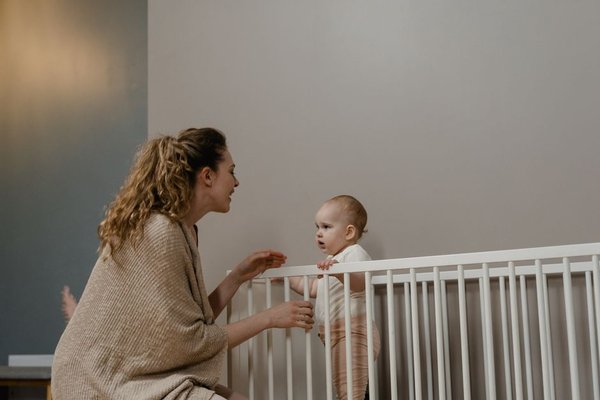
There’s a quiet intimacy to co-sleeping that many parents come to cherish. The soft rhythm of a baby’s breathing, the ease of midnight comfort, the closeness—it can feel natural, even instinctive. But there often comes a time when families begin thinking about transitioning from co-sleeping, whether for better sleep quality, growing independence, or simply changing routines.
This transition isn’t just about where a baby sleeps. It’s about gently reshaping habits, expectations, and emotional comfort—for both child and parent. And like most parenting shifts, it works best when approached with patience and a bit of flexibility.
Understanding why the transition matters
Every family’s reason for transitioning from co-sleeping is different. For some, it’s about reclaiming personal space or improving sleep disruptions. For others, it’s prompted by a baby’s increasing mobility or the need to establish independent sleep habits.
What’s important to remember is that there’s no universal timeline. Some babies move easily into their own sleep space within months, while others take longer to feel secure outside of shared sleep. The goal isn’t speed—it’s comfort and consistency.
A well-paced transition can help babies develop self-soothing skills, while also supporting parents in building a sustainable nighttime routine. It’s less about “training” and more about guiding.
Recognizing when your baby is ready
There are subtle signs that a baby may be ready to begin transitioning from co-sleeping. You might notice longer stretches of uninterrupted sleep or less frequent night waking. Some babies begin to shift away from constant physical contact during sleep, rolling or repositioning themselves naturally.
Readiness can also come from the parent’s side. If sleep is becoming fragmented, or if the current arrangement feels less restful than before, it may be time to consider a change.
Still, readiness doesn’t mean the process will be seamless. Even babies who seem prepared may resist at first. That’s part of the adjustment, not a sign that something is going wrong.
Creating a familiar and comforting sleep space
One of the most effective ways to ease transitioning from co-sleeping is by making the new sleep environment feel safe and recognizable. Babies thrive on familiarity, so small details can make a big difference.
Using the same bedtime cues—like a specific lullaby, dim lighting, or a gentle rocking motion—helps bridge the gap between shared sleep and independent sleep. Even something as simple as placing the baby down while still drowsy, rather than fully asleep, can help them associate the new space with comfort.
It’s not about recreating co-sleeping exactly, but about preserving its sense of security in a new setting.
Establishing a gentle bedtime routine
Consistency often becomes the anchor during transitions. A predictable bedtime routine signals to your baby that sleep is approaching, reducing anxiety and resistance.
This routine doesn’t have to be elaborate. A warm bath, followed by quiet cuddling and soft conversation, can be enough. What matters is repetition. Over time, these cues become familiar signals that help your baby settle more easily, even without close physical contact throughout the night.
When transitioning from co-sleeping, maintaining emotional connection before sleep can soften the separation that follows.
Taking gradual steps instead of sudden changes
One of the most common challenges parents face is deciding how quickly to make the shift. While some families prefer a clear, immediate transition, many find that gradual changes lead to fewer disruptions.
You might begin by placing your baby in their own sleep space for naps, or for the first part of the night before bringing them into your bed later. Another approach involves staying close—perhaps sitting beside the crib—until the baby falls asleep, then slowly reducing that presence over time.
This step-by-step method allows your baby to adjust at their own pace, making the process feel less abrupt and more manageable.
Handling nighttime wake-ups with reassurance
Night waking doesn’t disappear overnight, especially during transitions. Babies who are used to immediate physical closeness may initially feel unsettled in a separate sleep space.
Responding with calm reassurance can help. A gentle voice, a soft touch, or simply being nearby can provide comfort without fully returning to co-sleeping. Over time, babies begin to understand that even if they wake up, they are still safe and supported.
It’s a delicate balance—offering comfort while gradually encouraging independence.
Managing emotional responses on both sides
Transitioning from co-sleeping isn’t just a physical shift; it’s an emotional one. Babies may express their discomfort through fussiness or resistance, while parents may feel a surprising sense of loss.
That’s normal.
The closeness of co-sleeping can create a strong emotional bond, and stepping away from that can feel bittersweet. Acknowledging these feelings, rather than dismissing them, can make the transition smoother.
Sometimes, simply reminding yourself that independence doesn’t replace connection—it reshapes it—can bring a sense of reassurance.
Staying flexible when plans don’t go perfectly
No transition follows a perfect script. There may be nights that feel like progress, followed by nights that feel like setbacks. Illness, growth spurts, or developmental changes can temporarily disrupt routines.
Flexibility becomes essential here. Instead of viewing setbacks as failures, it helps to see them as part of the process. Returning briefly to old habits doesn’t undo progress—it often provides the reassurance needed to move forward again.
The key is consistency over time, not perfection in every moment.
Supporting long-term healthy sleep habits
As the transition settles, many families notice improvements not just in sleep arrangements, but in overall sleep quality. Babies who learn to fall asleep independently often find it easier to return to sleep after brief awakenings.
This doesn’t mean eliminating comfort or connection. It simply means creating a balance where the baby feels secure both with and without constant physical proximity.
Transitioning from co-sleeping can be a step toward building that balance—one that supports both independence and emotional security.
Finding your own rhythm as a family
Every family approaches sleep differently, and there’s no single “right” way to navigate this transition. Cultural practices, personal preferences, and individual baby temperaments all play a role.
What works beautifully for one family may feel completely off for another. That’s why it’s important to trust your instincts and adapt strategies to suit your situation.
The most effective approach is often the one that feels sustainable, gentle, and aligned with your family’s needs.
Conclusion
Transitioning from co-sleeping is less about leaving something behind and more about moving into a new phase of growth. It’s a process shaped by patience, small adjustments, and a deep understanding of your baby’s needs.
There may be moments of hesitation, even doubt, but those are part of the journey. With time, consistency, and a gentle approach, most families find a rhythm that works—one where sleep becomes a little more independent, yet still rooted in comfort and connection.
And perhaps that’s the heart of it: not replacing closeness, but allowing it to evolve in a way that supports both you and your baby.