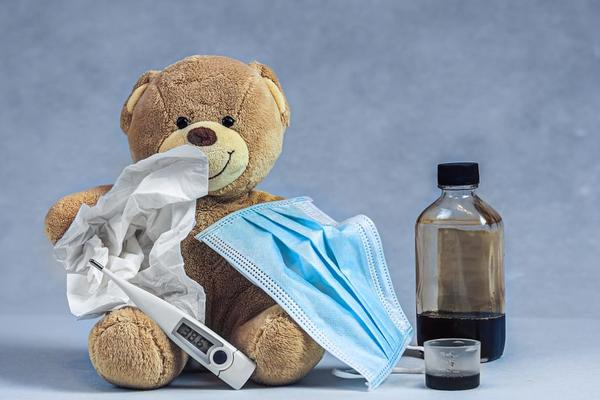
A baby coughing at night can sound frightening, especially when they cannot tell you how they feel. The key question is not how loud the cough sounds. Look at how your baby breathes, feeds and behaves between coughs. A baby with a runny nose who feeds normally is different from one struggling for breath.
If you are wondering when to worry about a baby cough, these warning signs can help you decide whether to monitor at home, seek advice or get emergency help. Trust your instincts if your baby seems unusually unwell.
When a baby cough is an emergency
Call 999 if your baby has severe difficulty breathing, pauses in breathing, becomes floppy or cannot be woken normally. Emergency signs include grunting, the skin pulling in markedly below the ribs, or lips, tongue or skin turning blue or grey. On darker skin, colour changes may be easier to see on the lips, gums, palms or soles.
A baby too breathless to feed, or making a harsh noise when breathing in even while calm, also needs emergency assessment. Do not wait for the cough to settle. These signs matter even without a fever.
When to contact a GP or NHS 111 urgently
Ask for an urgent GP appointment or call NHS 111 if your baby is breathing noticeably faster than usual, has increased breathing effort or develops wheezing. If breathing difficulty becomes severe, call 999.
Get urgent advice if your baby takes much less milk than normal, has a dry nappy for 12 hours or longer, is unusually sleepy or irritable, or gets worse after a cold. A temperature of 38°C or higher in a baby under three months needs urgent medical assessment. For babies aged three to six months, 39°C or higher also needs urgent advice.
Premature babies and those with heart, lung or immune conditions can become unwell more quickly. Seek advice early. For children under five, call NHS 111 rather than using the online 111 symptom checker.
What a relatively mild cough looks like
Many babies cough with viral colds because mucus runs down the back of the throat. If your baby is alert when awake, feeds close to normal, has regular wet nappies and breathes easily, home monitoring may be reasonable. A blocked nose can make feeding noisier without necessarily causing a serious chest problem.
Check your baby when settled, not just while crying. Watch the chest and tummy for a short time. Breathing should look comfortable, not laboured. A wet or rattly-sounding cough does not, by itself, reveal how serious an illness is.
A useful check during a night-time coughing spell
Imagine your six-month-old wakes coughing with a blocked nose. They settle, breathe easily, take milk and have a wet nappy. Those observations are reassuring. If the same baby starts breathing rapidly at rest, cannot finish feeds or becomes drowsy, seek medical advice promptly. Severe breathing difficulty or pauses in breathing mean calling 999.
Record when coughing began, any temperature readings, milk intake and the last wet nappy. These details help a clinician judge changes over time.
How the type of cough can offer clues
Cough with a runny or blocked nose
A cold is common when sneezing and congestion arrive first. Most improve without antibiotics. A cough can linger after other symptoms clear, but see a GP if it lasts more than three weeks or is getting worse.
Wheezing or faster breathing after a cold
Bronchiolitis, often caused by respiratory syncytial virus (RSV), commonly begins like a cold and then affects small airways. Babies may cough, wheeze, breathe faster or struggle with feeds. Symptoms are often worst around days three to five. Our guide to bronchiolitis in babies explains more, but do not delay urgent care to read about a possible diagnosis.
A barking cough or noisy breath in
Croup can cause a seal-like barking cough, hoarseness and a rasping sound when breathing in. Contact a GP or NHS 111 if you suspect croup; treatment may be needed. Severe breathing difficulty or noisy breathing that continues while your baby is calm calls for emergency help.
Repeated coughing fits
Whooping cough may begin like a cold, followed by intense coughing bouts and sometimes vomiting. Young babies may not make the familiar whooping sound. A baby under six months with possible whooping cough needs urgent assessment. Breathing pauses or colour changes are emergencies.
Safe ways to help a baby with a mild cough
For cold symptoms without warning signs, focus on comfortable breathing and enough milk. Offer breastfeeds or formula more frequently in smaller amounts if congestion makes longer feeds difficult. Saline nose drops may loosen mucus; ask a pharmacist or health visitor about suitable options.
Hold your baby upright while awake and supervised, but always place them on their back on a firm, flat sleep surface. Do not raise the mattress or add pillows. Keep smoke away, and check on your baby regularly during illness.
Avoid over-the-counter cough and cold medicines unless advised by a clinician or pharmacist. Never give honey under one year because of infant botulism risk. Avoid hot steam bowls, which can cause burns. If your baby is uncomfortable with a temperature, check age-appropriate medicines and doses with a healthcare professional.
How long should you watch the cough?
Improvement matters more than an exact number of days. A simple cold usually eases within a couple of weeks, although coughing can last longer. Bronchiolitis can worsen after the first few days. Reassess feeds, wet nappies, breathing and alertness whenever symptoms change.
Book a GP appointment if coughing lasts beyond three weeks. Seek help sooner for fever, worsening symptoms or infant cough warning signs. Understanding baby fever and recognising breathing problems in babies are useful related topics, but online reading cannot replace urgent assessment.
Frequently asked questions
Is it normal for a baby to cough more at night?
Yes. Mucus from a cold may irritate the throat when your baby lies down. Night-time coughing alone does not indicate severity. Watch breathing effort, feeding and whether your baby settles between episodes.
Can a baby have a serious chest infection without a fever?
Yes. Fever is not required for a breathing problem to be serious. Rapid or difficult breathing, poor feeding, pauses in breathing or unusual drowsiness deserve attention even with a normal temperature.
Should I call 111 for a cough in a newborn?
Seek medical advice early, especially if your newborn is feeding less or seems unwell. A temperature of 38°C or above under three months needs urgent assessment. Call 999 for severe breathing problems or other emergency signs.
Does coughing until a baby vomits mean whooping cough?
Not necessarily. Hard coughing can trigger vomiting, but repeated severe fits, especially with breathlessness, raise concern. Babies under six months with suspected whooping cough need urgent GP or NHS 111 advice.
The bottom line
When deciding whether a baby cough needs help, watch the whole baby, not just the sound. Comfortable breathing, normal feeding and usual alertness are reassuring; worsening feeding, breathing or behaviour call for advice. If breathing becomes severely difficult, pauses, or your baby turns blue or grey, call 999.