A British winter can take a baby from a chilly pavement into a warm supermarket within minutes. That change matters more than finding the thickest outfit. Dress your baby in comfortable layers that can be added outdoors and removed quickly indoors, while checking how warm they feel.
If you are wondering how to dress a baby for winter in the UK, start with a vest and sleepsuit, then adjust for the weather and whether your baby is in a pram, sling or car seat. There is no outfit that suits every winter day.
Start with layers, not one heavy outfit
The NHS suggests that, during the day, a baby generally needs one more clothing layer than an adult in similar conditions. Treat that as a starting point rather than a strict formula: babies vary, and a cosy pram cover changes how much warmth they need.
The base layer
A soft cotton vest or bodysuit sits comfortably next to the skin. Long sleeves can be useful on colder days, but a short-sleeved vest works if other layers provide enough warmth. Check that the neckline fits well and the fabric does not bunch up.
The everyday layer
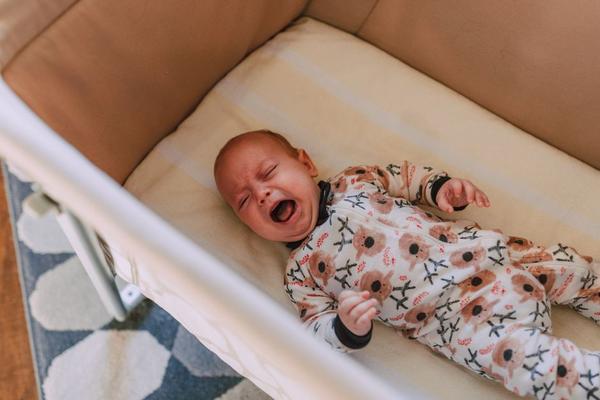
Add a footed sleepsuit or a top with soft trousers and socks. Footed sleepsuits are convenient for newborns because they keep ankles covered without relying on socks that slip off. Choose clothes roomy enough for movement but not so large that fabric gathers around the face.
The removable warm layer
A cardigan or light jumper provides extra insulation without making nappy changes difficult. On colder outings, add a suitable coat or pramsuit over everyday clothing. Baby winter layers work best when the outer layer comes off easily as soon as your surroundings change.
What should a baby wear outside in winter?
On a cool, dry UK day, a vest, sleepsuit and cardigan may form the starting outfit. For a cold or windy walk, add a suitable outer layer and a hat that covers the ears. Mittens and socks or booties can protect exposed hands and feet. What is needed depends on wind, rain, temperature and shelter.
For pram journeys, a well-fitted footmuff or securely arranged lightweight blanket may be more practical than several bulky garments. Keep the face and head uncovered by blankets, allow air to circulate and check your baby regularly. Do not drape a blanket across the pram opening, as it can trap heat.
Rain calls for a pram’s purpose-made rain cover, used according to its instructions with suitable ventilation. Remove wet outerwear promptly once sheltered. Cold weather baby clothing should protect against dampness and wind without trapping excessive heat.
Think about the whole journey, not just the forecast
Imagine leaving home for a twenty-minute December walk, stopping at a heated café and returning by bus. Dress your baby in comfortable indoor layers, then add a hat and outdoor protection for the walk. At the café, remove the hat and outer layers immediately, even if your baby has fallen asleep. Do the same when boarding a warm bus.
This avoids a common mistake: keeping the same winter outfit on through different temperatures. A changing bag with a spare vest, socks and dry outer layer can be more useful than an expensive collection of baby winter clothes in the UK.
Keep bulky coats out of car seats
Thick padded jackets and snowsuits should not sit underneath a baby’s car seat harness. Their padding can compress in a collision, leaving the straps too loose. Dress your baby in thin layers, fasten the harness according to the manufacturer’s instructions, then add a suitable blanket over the secured straps if more warmth is needed.
Keep blankets away from the face and remove extra coverings as the car warms up. Take off outdoor hats in a warm vehicle. A car seat is for travel, not a substitute for a flat sleep space once the journey has ended.
Winter clothing and safe sleep are different
The clothes that work for a frosty pram walk are not suitable for sleep indoors. Remove hats, hoods, coats and pramsuits before putting your baby down in a cot or Moses basket. The Lullaby Trust recommends a sleeping-room temperature of around 16–20°C, checked with a room thermometer.
A sleepsuit with a well-fitting baby sleeping bag, or appropriately tucked lightweight bedding, is usually better than thick covers. Follow the sleeping bag manufacturer’s advice about sizing, tog rating and clothing beneath it. Do not combine a sleeping bag with extra loose blankets because the weather outside is cold.
Avoid hot water bottles, electric blankets, weighted bedding and placing the cot beside a radiator. Keep your baby’s head uncovered to reduce overheating risk. Understanding safe baby sleep clothing and how room temperatures affect it can help with winter nights.
How to tell whether your baby is comfortable
Feel your baby’s chest or the back of their neck. They should feel comfortably warm, not hot, sweaty or clammy. Cool hands and feet alone do not mean the baby needs more clothes. If the chest feels hot, remove a layer and check again.
If your baby seems unusually cold, is difficult to wake, feeds poorly, has breathing problems or looks blue or very pale, seek urgent medical advice rather than relying on extra clothing. Babies born prematurely may need individual guidance from their healthcare team.
Choose a small, useful winter wardrobe
Winter clothes need not be complicated. Prioritise washable cotton vests, sleepsuits, cardigans, weather-appropriate outdoor protection and spare socks. Avoid long cords, loose accessories and anything that could cover the face. Check garment fit regularly because babies outgrow sizes quickly.
Before buying a snowsuit, consider whether your journeys are mostly by car or on foot. Drivers may use easy-remove layers more often, while daily walkers might value a sheltered pram setup. A baby clothes size guide and a newborn clothing checklist can help you buy what you will use.
Frequently asked questions
Does a baby need a hat throughout winter?
A warm hat is useful outdoors in cold weather, but remove it indoors or in a heated vehicle. Babies should not wear hats for routine indoor sleep.
How many layers should a baby wear in a pram?
There is no fixed number. The NHS’s one-extra-layer daytime guideline is a starting point, but also consider a footmuff, blankets, wind and the baby’s chest temperature.
Can my baby wear a snowsuit in a car seat?
No bulky or padded snowsuit should sit beneath the harness. Use thinner clothing, fit the harness snugly and add warmth over the secured straps if needed.
What should a baby wear to bed in winter?
Choose suitable sleep clothing and a well-fitting sleeping bag or lightweight bedding based on room temperature and product guidance. Keep hats, coats and thick loose covers out of the sleep space.
A practical approach to winter dressing
The most reliable answer to what a baby wears in winter is an outfit you can adjust. Begin with breathable clothes, add protection outdoors and remove it promptly in warm places. Check the chest or neck instead of guessing from cold fingers, and keep outerwear separate from safe sleep clothing. That flexible approach works through Britain’s changeable winter days.