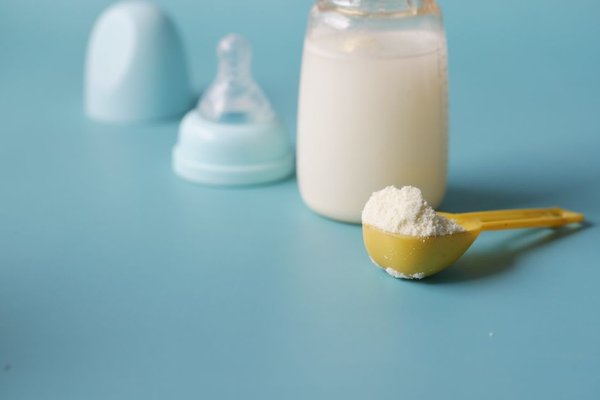
Standing in the formula aisle at Boots or Tesco can feel oddly overwhelming. Row after row of tubs promise to be “closer to breastmilk,” “gentle,” or “specially formulated,” and prices swing wildly between supermarket own-brands and premium names. If you’re a new parent trying to work out which formula milk is actually right for your baby, you’re not alone — and the good news is that choosing well doesn’t have to be complicated once you understand what actually matters.
This guide breaks down everything you need to know about formula milk in the UK for 2026, from the different types available to how to switch safely, so you can make a confident decision for your family.
Understanding the Types of Formula Milk Available in the UK
Not all formula is the same, and manufacturers often make the choice feel more complicated than it needs to be. In reality, UK regulations mean that most standard formulas are nutritionally very similar, regardless of brand or price point.
First Infant Formula
This is the only formula babies need from birth right through to their first birthday, alongside solid foods introduced from around six months. NHS guidance is clear that first infant formula, usually whey-based, should be your default choice unless a health visitor or GP advises otherwise. Despite marketing that suggests otherwise, babies do not need to move through several “stages” of formula during their first year.
Follow-on and “Hungry Baby” Formulas
These are marketed for older or hungrier babies, but there’s no strong evidence they help babies sleep longer or feel fuller. Follow-on milk isn’t recommended before six months, and many health professionals suggest sticking with first infant formula throughout year one rather than switching unnecessarily.
Specialist Formulas
Anti-reflux, comfort (partially hydrolysed), lactose-free, and hypoallergenic formulas exist for babies with specific medical needs. These should only be used under guidance from a GP or health visitor, as they’re formulated to address particular digestive issues rather than general baby nutrition.
What Actually Matters When Choosing a Formula
With so many options, it helps to focus on a few practical factors rather than getting drawn in by packaging claims.
Regulation and Safety
All infant formula sold in the UK must meet strict compositional standards set by law. This means own-brand formula from a supermarket meets the same core nutritional requirements as a premium branded tub costing two or three times as much. The main differences tend to be in added extras, sourcing, and price, not basic nutrition.
Your Baby’s Response
Every baby is different. Some settle happily on the first formula milk you try; others take a little longer to adjust. Watching how your baby feeds, how they digest it, and whether they seem comfortable is generally more useful than following brand claims about digestibility or comfort.
Budget
Formula milk is a genuine ongoing cost, and there’s no shame in choosing based on price. Supermarket own-brand options are considerably cheaper than branded formula and, because of UK regulation, are not nutritionally inferior.
Bottle Feeding Basics for New Parents
Bottle feeding with formula works well when a few simple habits are in place. Always prepare formula fresh using boiled water cooled to at least 70°C, following the instructions on the tin precisely rather than adding extra scoops. Sterilise bottles and teats thoroughly until your baby is at least twelve months old, and never leave a bottle warming for long periods, as bacteria can multiply quickly at room temperature.
It’s also worth paying attention to teat flow rate. A teat that’s too fast can cause gulping and wind, while one that’s too slow may frustrate a hungry baby. Most brands offer a range of flow speeds designed around age, so it’s worth adjusting as your baby grows rather than sticking with the newborn teat for months.
Switching Baby Formula: What You Need to Know
Parents often wonder whether switching formula milk will unsettle their baby, and it’s a fair concern. In most cases, healthy babies can move between standard first infant formulas without a gradual transition, since the nutritional composition is broadly similar across brands.
That said, some babies are more sensitive to change than others. If you’re switching because of suspected wind, reflux, or discomfort rather than simply trying a different brand, it’s worth speaking to a health visitor first, as these symptoms sometimes point to something that formula-switching alone won’t resolve. Introduce any change gradually if you’re unsure, and keep an eye on your baby’s stools, comfort, and feeding pattern over the following week.
Balancing Cost and Quality
One of the most reassuring facts for UK parents is that price doesn’t equal nutritional quality when it comes to formula milk. Because composition is tightly regulated, an expensive tub bought from a pharmacy and a budget supermarket own-brand version both need to meet the same baseline standards for baby nutrition. Where premium brands differ is usually in packaging, added ingredients like specific oil blends, or marketing around digestibility — features that may or may not matter to your particular baby.
A sensible approach for many families is to start with a mid-range or own-brand first infant formula, see how their baby responds, and only consider a specialist or premium option if there’s a genuine reason to, ideally after discussing it with a health professional.
Frequently Asked Questions
What is the best formula milk for a newborn in the UK?
Any first infant formula that meets UK regulatory standards is suitable for newborns. There isn’t one single “best” brand — the right choice is the one your baby tolerates well, alongside guidance from your health visitor if any concerns arise.
Do I need to switch formula stages as my baby grows?
No. First infant formula is suitable from birth to twelve months. Follow-on and “hungry baby” formulas aren’t necessary and offer no proven advantage over sticking with first infant formula throughout the first year.
Is expensive formula milk better than supermarket own-brand?
Not nutritionally. UK law requires all infant formula to meet the same core compositional standards, so budget and premium options provide comparable baby nutrition. Differences are mostly in price, added extras, and marketing.
How do I switch my baby to a new formula safely?
Most healthy babies can switch between standard formulas without difficulty. If your baby has digestive symptoms or you’re considering a specialist formula, speak to a GP or health visitor before switching to rule out any underlying issues.
Final Thoughts
Choosing formula milk doesn’t need to be as stressful as the supermarket shelf makes it look. Focus on a first infant formula that suits your budget, pay attention to how your baby responds, and don’t be swayed by premium pricing or “stage” marketing that isn’t backed by strong evidence. And whenever you’re unsure — particularly around switching formula or managing feeding discomfort — a quick chat with your health visitor or GP is always the safest next step.