Watching your baby suddenly stiffen, shake, or stop responding is terrifying, especially when they seemed to have only a fever moments earlier. Febrile seizures in babies can look dramatic, but most are brief and do not cause lasting harm. The immediate priority is keeping your child safe and recognizing when emergency help is needed.
If your baby is having a first seizure, call your local emergency service for urgent advice and assessment. Call immediately if any seizure lasts five minutes, your child struggles to breathe, or they do not recover as expected. Never assume that a seizure is harmless simply because a fever is present.
What Is a Febrile Seizure?
A febrile seizure is a seizure associated with fever in a young child, usually between six months and five years old. It is sometimes called a febrile convulsion. These episodes often happen early in an illness, sometimes before a caregiver even realizes the child has a temperature.
The fever is commonly caused by an infection such as a cold, influenza, an ear infection, or roseola. A baby fever seizure does not necessarily mean the temperature was dangerously high. Children vary in their susceptibility, and some have a family history of febrile seizures.
Seizures in babies younger than six months are not typical febrile seizures and always need urgent medical evaluation. A fever of 38°C (100.4°F) or higher in a baby younger than three months also requires prompt medical attention, even without a seizure.
Febrile Seizure Signs Parents May Notice
During an episode, a child may suddenly become unresponsive, lose awareness, stiffen, or have rhythmic jerking movements of the arms and legs. Their eyes may roll upward, and breathing or skin colour may briefly appear different. Some children vomit or wet themselves.
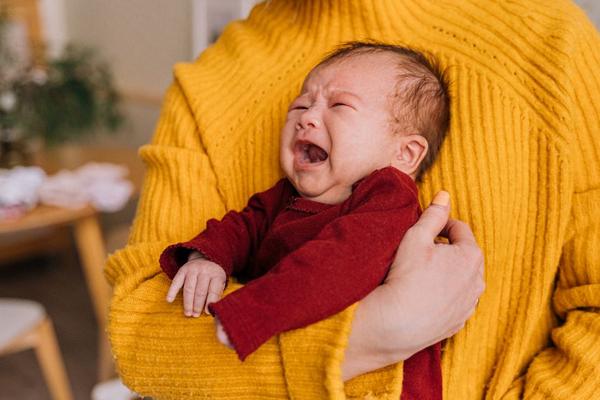
Most episodes stop within a few minutes. Afterwards, a baby may cry, seem confused, or be unusually sleepy for a short period. That recovery phase can be frightening too, but progressively returning to their usual awareness is reassuring. Persistent difficulty waking, abnormal breathing, or worsening responsiveness is not something to monitor at home.
What to Do During a Seizure With Fever
Keep Your Baby Safe and Time the Episode
Look at a clock or start a timer as soon as the seizure begins. Place your baby on a safe, flat surface, away from sharp edges and hard objects. Cushion the head with something soft and make sure there is space around the child. Do not forcibly move them unless their location is dangerous.
Loosen anything tight around the neck. Gently turn the head to one side if possible without restraining movements, allowing saliva or vomit to drain. When the shaking stops, place the baby on their side in a safe recovery position and check that breathing is normal.
Actions to Avoid
Never hold a baby’s arms or legs down, force the mouth open, or put fingers, a spoon, or any other object between the teeth. A child cannot swallow their tongue. Do not give water, milk, food, or medicine by mouth during the seizure or until they are fully alert and able to swallow safely.
Do not use a cold bath, ice, or vigorous sponging to stop the seizure. Cooling measures do not treat an active seizure and can cause discomfort. Concentrate instead on injury prevention, timing, and obtaining medical help.
When Is Emergency Medical Care Necessary?
A first seizure should be treated as an urgent medical event, even if it ends quickly. Seek emergency help immediately if the seizure continues for five minutes or longer, another seizure occurs within 24 hours, shaking affects only one side, or the baby has trouble breathing. If your child is still convulsing or unconscious, call an ambulance rather than driving.
Other warning signs include being difficult to wake, remaining much sleepier than usual for more than an hour, a stiff neck, or a rash that does not fade when pressed. If the seizure stops but your baby is not breathing normally, tell the emergency dispatcher immediately and follow their resuscitation instructions.
Consider a practical example: your 10-month-old develops a fever, suddenly stiffens, and jerks for about 90 seconds. You clear nearby toys, protect the head, note the start time, and call emergency services because it is the first seizure. When the movements stop, you turn your baby onto their side and watch their breathing while following professional instructions. The fact that the seizure ended does not remove the need for assessment.
What Happens After a Febrile Convulsion?
A clinician will check the baby’s breathing, alertness, hydration, and temperature, then look for the cause of the fever. Depending on the examination, age, and symptoms, testing might include a urine sample or blood tests. Investigations for a serious infection, such as meningitis, are considered when the findings warrant them; not every child needs extensive tests.
Can Another Febrile Seizure Be Prevented?
Children can have another febrile seizure during a future illness, particularly if their first happened at a young age. Most outgrow the tendency before school age. A history of febrile seizures does not mean that a child has epilepsy, and simple febrile seizures generally do not cause brain damage or developmental problems.
Fever-reducing medicines such as paracetamol (acetaminophen) or ibuprofen may ease discomfort when appropriate for the child’s age and health, but they cannot be relied upon to prevent febrile seizures. Ask a clinician about correct dosing; never give aspirin to a child. A doctor may provide an individualized rescue-medication plan for children with prolonged or recurring episodes.
Frequently Asked Questions
Can a baby have a febrile seizure with a mild fever?
Yes. Febrile seizures can occur before a fever is noticed or when the measured temperature is not especially high. The seizure itself and your child’s condition matter more than any single thermometer reading.
How long does a typical febrile seizure last?
Most last only a minute or two, although they can feel much longer to a caregiver. Time the episode rather than estimating. A seizure continuing for five minutes is an emergency.
Will a febrile seizure cause brain damage?
A typical brief, simple febrile seizure does not cause brain damage. Prolonged or unusual seizures require urgent medical care, and the illness causing the fever may itself need treatment.
Should I give fever medicine after the seizure?
Once your baby is fully awake and swallowing normally, ask the treating clinician whether a suitable fever medicine would help with comfort. Do not give anything by mouth while your child is drowsy or actively seizing.
A Calm Plan for a Frightening Moment
Febrile seizures in babies demand a practical response, not guesswork: protect your child from injury, time the seizure, keep the airway clear, and seek urgent medical assessment for a first episode or any warning sign. Most children recover well, but knowing exactly when to call for help is what matters most in the moment.