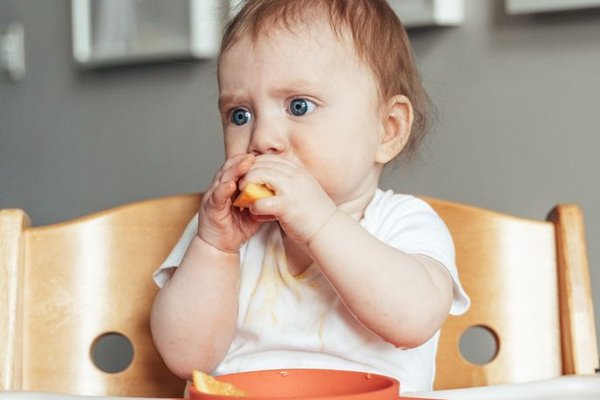
Every parent hits that moment where they look at their baby staring intently at their dinner plate and wonder: is it time? Weaning isn’t something you can plan by the calendar alone. While the NHS recommends starting solid food at around 6 months, every baby develops at their own pace, and the real signals come from your baby’s body, not just their birthday. Knowing what to look for takes the guesswork out of one of the biggest early milestones in your baby’s development.
Why Timing Matters for Weaning
Starting solid food too early, before your baby’s digestive system and coordination are ready, can lead to feeding difficulties or discomfort. Starting too late might mean missing the window when babies are naturally curious about new tastes and textures, and it can also delay important iron intake, which becomes more critical from around six months onwards. That’s why UK health guidance leans on developmental readiness rather than a fixed date, even though 6 months is the general benchmark most families are given.
The Key Signs Your Baby Is Ready for Solid Food
According to NHS weaning guidance, there are three core signs that, when they appear together, suggest your baby’s body is ready to move beyond milk feeds alone. It’s worth noting these signs should appear as a group, not in isolation, since a baby might display one without being genuinely ready for solid food.
1. They Can Stay in a Sitting Position and Hold Their Head Steady
Good head and neck control is essential before introducing solids. Your baby should be able to sit upright, either independently or with slight support, and keep their head steady without it lolling forward or to the side. This stability isn’t just about posture; it’s directly tied to safe swallowing. Without it, there’s a higher risk of choking when food or drink other than milk is introduced.
2. They Can Coordinate Their Eyes, Hands, and Mouth
Watch how your baby interacts with objects. Are they reaching out, grabbing things with purpose, and bringing them to their mouth? This eye-hand-mouth coordination shows their nervous system has developed enough to manage the process of picking up food, guiding it towards their mouth, and looking at it while doing so. It’s a small but telling sign that they’re ready to explore solid food, not just milk from a bottle or breast.
3. They Can Swallow Food Rather Than Pushing It Back Out
Young babies have a natural tongue-thrust reflex that pushes foreign objects, including food, out of the mouth. This is a protective mechanism that fades as babies approach the readiness stage for weaning. If your baby can take food into their mouth and swallow it, rather than automatically spitting it back out every time, that reflex has likely diminished enough for solid food to be introduced safely.
Signs That Are Often Mistaken for Weaning Readiness
Many parents assume certain behaviours mean their baby wants solid food when they’re actually normal developmental stages unrelated to weaning readiness. Recognising the difference can save a lot of confusion.
Waking Up More at Night
Sleep regressions happen for all sorts of reasons unrelated to hunger, including growth spurts, teething, or developmental leaps. It’s a common myth that introducing solid food earlier will help a baby sleep through the night, but there’s no reliable evidence to support this, and it isn’t a genuine sign of readiness.
Chewing on Fists or Toys
This is usually linked to teething or general oral exploration, which babies do from a very young age. On its own, it doesn’t indicate that a baby’s digestive or motor systems are ready for solid food.
Wanting More Frequent Milk Feeds
A growth spurt can temporarily increase a baby’s appetite for milk. This is common and doesn’t necessarily mean they need solid food to feel satisfied. It’s worth watching for the three core readiness signs before assuming a baby is simply hungrier and needs weaning.
When Does Weaning Usually Start in the UK?
NHS weaning guidance points to around 6 months as the point when most babies show all three signs of readiness together. Before this age, babies typically get everything they need from breast milk or formula. Starting solids too soon, particularly before 4 months, isn’t recommended, as a baby’s digestive system simply isn’t mature enough yet. If your baby is approaching or has passed the 6-month mark and shows the readiness signs described above, that’s generally considered the right time to begin.
Getting Started Once You’ve Spotted the Signs
Once you’ve noticed your baby sitting steadily, coordinating their hands and mouth, and swallowing rather than pushing food out, the next step is simply to begin gently. Early weaning meals don’t need to be complicated. Many parents start with a few pieces of soft, easy-to-manage food or a smooth puree offered once a day, gradually building up as their baby becomes more confident with new tastes and textures. The goal in these early days isn’t a full meal; it’s introducing your baby to the concept of eating alongside their usual milk feeds, which will remain their main source of nutrition for a while yet.
Frequently Asked Questions
What is the earliest age a baby can start solid food?
NHS weaning guidance advises against starting solid food before 4 months, as a baby’s digestive system isn’t developed enough at this stage. Around 6 months is generally recommended, once the key readiness signs are present.
Do all three signs of readiness need to appear at once?
Yes. A baby showing only one or two signs, such as chewing on toys without being able to sit steadily, isn’t necessarily ready for solid food. All three signs, head control, hand-eye-mouth coordination, and reduced tongue-thrust reflex, tend to appear together when a baby’s body is genuinely prepared.
Can I start weaning early if my baby seems hungry all the time?
Increased hunger alone isn’t a reliable sign of weaning readiness, as it’s often linked to growth spurts. It’s best to look for the physical developmental signs rather than appetite changes when deciding whether to begin solid food.
What happens if I wait too long to start weaning?
Delaying solid food much beyond 6 months can mean missing important opportunities for iron intake and getting your baby used to new tastes and textures. If your baby is showing clear signs of readiness, it’s generally best not to postpone weaning unnecessarily.
Final Thoughts
Recognising when your baby is ready for solid food comes down to watching their development rather than the calendar alone. Steady sitting, coordinated reaching, and swallowing instead of pushing food out are the three signs that genuinely matter. Once these appear together, usually around the 6-month mark, you’ll know your baby is ready to begin the weaning journey, one small, exciting spoonful at a time.