Watching a baby learn to communicate is one of those quiet, remarkable parts of early childhood that can easily be missed in the rush of daily life. Long before a baby says “mama,” “dada,” or asks for milk, language is already taking shape. It begins in tiny moments: a newborn turning toward a familiar voice, a two-month-old cooing after a feed, a baby squealing with delight, or a toddler pointing at the door because they want to go outside.
The baby language development stages do not unfold in exactly the same way for every child. Some babies seem to babble endlessly before their first birthday, while others stay quieter and then suddenly surprise everyone with a handful of words. Still, there are common patterns that help parents and caregivers understand what is happening, what to expect, and when a little extra support may be useful.
Language is not only about words. It includes listening, understanding, sounds, gestures, facial expressions, turn-taking, and eventually speech. A baby’s first conversations often happen without a single spoken word.
Language Begins Before the First Word
Many parents wait for the first word as the big milestone, but babies begin learning language much earlier. Even in the newborn stage, babies are listening closely. They recognize the rhythm of voices, especially voices they heard often before birth. A newborn may calm when hearing a parent speak, not because they understand the words, but because the sound is familiar and comforting.
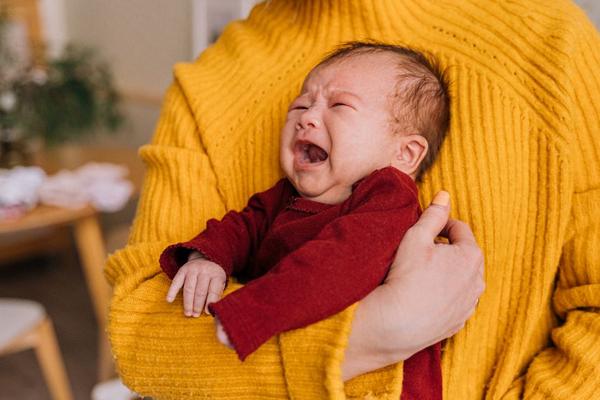
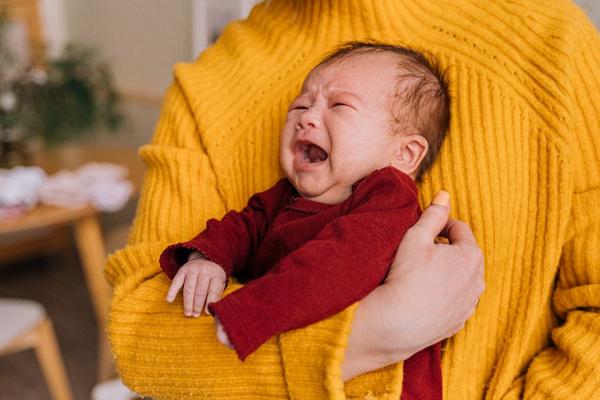
In the first weeks, crying is the baby’s main way of communicating. At first, every cry may sound the same to tired parents, but over time, small differences become clearer. A hungry cry may sound different from a tired cry. A baby may fuss, stretch, turn away, or make small noises to express discomfort. These early signals are the foundation of communication.
When caregivers respond warmly, babies begin to learn an important lesson: sounds and expressions can bring a response. This simple exchange helps build trust and sets the stage for later language growth.
Newborn to Three Months: Listening, Crying, and Early Sounds
During the first three months, babies are mostly absorbing language. Their world is full of sound, and they are slowly learning to separate voices from background noise. A baby may startle at loud sounds, become calm when spoken to gently, or turn slightly toward a parent’s voice.
Around this stage, soft cooing often begins. These early sounds are usually vowel-like, such as “oo,” “ah,” or gentle gurgling noises. They may happen when the baby is relaxed, fed, or enjoying face-to-face attention. Although these sounds may seem random, they are part of early vocal practice.
Parents often naturally use a higher-pitched, expressive voice when speaking to babies. This style of speaking, sometimes called baby talk or parentese, can actually help babies notice speech patterns. The important thing is not to use perfect words all the time, but to keep the baby surrounded by warm, responsive language.
A simple moment like saying, “You’re looking at the light,” or “That was a big stretch,” gives the baby a steady stream of sound connected to daily life.
Four to Six Months: Cooing Turns Into Playful Vocal Sounds
Between four and six months, babies often become more playful with their voices. They may squeal, laugh, blow bubbles, or make sounds just to see what happens. This is one of the sweetest baby language development stages because babies begin to act as if sound is a toy.
At this point, a baby may respond more clearly when spoken to. They may smile when a parent talks, become excited during familiar songs, or look toward a sound. They are also beginning to understand emotional tone. A cheerful voice, a gentle voice, or a sharp voice can all produce different reactions.
Babies at this age may enjoy back-and-forth sound play. A parent says “aaa,” and the baby makes a noise in return. It is not a real conversation yet, but it has the rhythm of one. This turn-taking matters. Later, conversation will depend on the same pattern: one person speaks, the other responds.
Everyday interaction is more valuable than many people realize. Singing during diaper changes, naming body parts during bath time, or describing what is happening while preparing food all help babies connect sound with experience.
Six to Nine Months: Babbling Becomes More Intentional
Around six to nine months, babbling often becomes richer and more speech-like. Babies may begin repeating consonant-vowel combinations such as “ba-ba,” “da-da,” or “ma-ma.” At first, these sounds may not refer to specific people or objects. A baby saying “mama” at seven months may simply be practicing sounds rather than calling for mother intentionally.
Still, this stage is exciting because babies are learning how speech feels in the mouth. They experiment with lips, tongue, breath, and rhythm. Some babies babble loudly and constantly. Others babble more quietly or mainly when they feel comfortable.
Understanding is also growing. A baby may recognize their name, look when someone says “Where’s Daddy?” or respond to common words like “milk,” “bye-bye,” or “no.” Gestures become more meaningful too. A baby may reach to be picked up, push food away, or look toward a favorite toy when it is named.
This is also a good time for simple imitation games. Waving, clapping, making silly sounds, and copying facial expressions can all support communication. Babies learn by watching and repeating, even when their version looks or sounds a little messy.
Nine to Twelve Months: Gestures, Meaning, and First Words
By nine to twelve months, many babies communicate with more purpose. They may point, wave, shake their head, raise their arms, or make sounds to get attention. Pointing is especially important because it shows that a baby wants to share interest or request something.
A baby may point at a dog, look back at the parent, and make a sound. That small action carries a lot of meaning. It says, in its own baby way, “Look at that.” Shared attention is a powerful step toward language because it connects the baby, the caregiver, and the object or event.
First words may appear near the end of the first year, though timing varies. Early words are often simple and connected to daily life, such as “mama,” “dada,” “ball,” “bye,” or “milk.” Some babies use one sound consistently for a specific thing, even if it is not pronounced clearly. For example, “ba” may mean bottle, ball, or bird depending on the context.
The key is consistency. If a baby uses the same sound for the same object or person, it may count as an early word, even if it does not sound perfect.
Twelve to Eighteen Months: First Words Grow Slowly
After the first birthday, babies usually understand more than they can say. This can surprise parents. A toddler may follow a simple instruction like “bring your shoes” or “give me the cup,” even if they only speak a few words.
Spoken vocabulary often grows gradually at first. A child may say a handful of words for several months. These words are usually practical and familiar. They may name favorite people, foods, toys, animals, or routines. Pronunciation is still developing, so many words sound incomplete. “Wa-wa” for water or “nana” for banana is normal at this stage.
Gestures remain important. A toddler may combine a word with a point, a reach, or a facial expression. For instance, they may say “up” while lifting their arms. These combinations show that communication is becoming more flexible.
Reading simple picture books can be especially helpful now. The goal is not to finish every page perfectly. Sometimes a toddler only wants to point at the same picture again and again. That repetition is not a problem. It is how young children learn.
Eighteen to Twenty-Four Months: Vocabulary Expands and Words Combine
Between eighteen and twenty-four months, many children experience a noticeable increase in vocabulary. Some parents describe it as a “word explosion,” though it does not happen dramatically for every child. New words may begin appearing more often, and toddlers may try to repeat words they hear in daily conversation.
This is also when two-word phrases often begin. A toddler may say “more milk,” “mama come,” “big truck,” or “go outside.” These short phrases are simple, but they show a major shift. The child is no longer using only single labels. They are beginning to combine ideas.
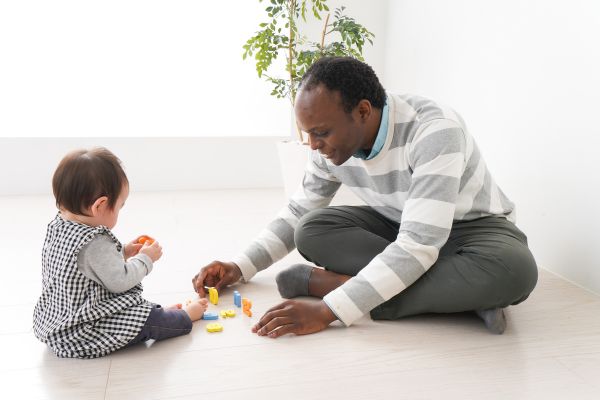
Understanding continues to move ahead of speaking. A toddler may identify body parts, follow simple directions, and understand familiar routines. They may also enjoy songs with actions, animal sounds, and pretend play. Pretend play is closely linked with language because it encourages symbolic thinking. A block can become a phone, a spoon can feed a doll, and a blanket can become a bed.
At this stage, adults can support language by expanding what the child says. If the child says “dog,” the parent might respond, “Yes, a big dog is running.” This gives the child a richer model without pressure.
Two to Three Years: Sentences Become Clearer and More Social
From two to three years old, language often becomes more recognizable to people outside the immediate family. Toddlers begin using short sentences, asking simple questions, naming familiar objects, and expressing wants with more clarity.
They may say things like “I want juice,” “Where ball go?” or “Daddy car.” Grammar will not be perfect, and it does not need to be. Children may mix up word endings, leave out small words, or use the wrong tense. These mistakes are a normal part of learning the structure of language.
Conversation also becomes more social. A child may talk during play, comment on what others are doing, or tell a very short version of something that happened. Their stories may be hard to follow, but they are practicing how to organize thoughts into words.
This is a wonderful stage for everyday conversation. Talking during walks, meals, bath time, and bedtime gives children language in a meaningful setting. Screens may entertain, but they do not replace live back-and-forth interaction. Young children learn best when someone responds to their sounds, words, and ideas in real time.
Why Every Baby Develops at a Different Pace
It is natural for parents to compare milestones, especially when another baby the same age seems to be talking more. But language development is influenced by many things, including temperament, hearing, family interaction, exposure to multiple languages, birth history, and overall development.
Some babies are naturally more vocal. Others are observers. Some focus early on movement and seem less interested in speech for a while. In bilingual or multilingual homes, babies may hear words from more than one language, and their vocabulary may be spread across those languages. This does not mean they are confused. They are simply building a broader language system.
What matters most is steady progress. A baby should gradually become more responsive, more intentional, and more connected in communication. Even when spoken words come slowly, gestures, understanding, eye contact, imitation, and sound play are all meaningful parts of development.
When Parents Should Pay Closer Attention
While children develop at different speeds, certain signs may suggest that a baby or toddler needs a closer look. Parents may want to speak with a pediatrician or speech-language professional if a baby does not respond to sounds, does not seem to recognize familiar voices, makes very few sounds, does not babble by around the later part of the first year, or does not use gestures such as pointing or waving.
It may also be worth seeking guidance if a toddler has no clear words by around eighteen months, does not seem to understand simple instructions, loses words they previously used, or rarely tries to communicate needs. These signs do not always mean something serious is wrong, but early support can make a real difference.
Hearing should also be considered. A child can have hearing difficulties even if they react to some sounds. Because language depends so much on listening, checking hearing is often an important first step when speech seems delayed.
Simple Ways to Support Baby Language Development
The best support for language usually comes through ordinary moments. Babies do not need formal lessons. They need connection, repetition, and responsive interaction.
Talking throughout the day helps babies hear words in context. Naming what they see, describing what is happening, and responding to their sounds all build language naturally. When a baby babbles, answering as if it matters encourages them to keep communicating.
Reading aloud is another powerful habit. Even short, simple books introduce rhythm, vocabulary, and shared attention. Songs and nursery rhymes help too because babies enjoy repetition and melody. They may remember the rhythm before they understand the words.
It also helps to slow down. Babies and toddlers often need extra time to respond. A pause after a question or comment gives them space to make a sound, point, smile, or attempt a word. That pause can turn a simple moment into a real exchange.
Conclusion
Understanding the baby language development stages helps parents see communication as a gradual, beautiful process rather than a single milestone. A baby’s first word is exciting, of course, but it is only one part of a much bigger story. Before words arrive, babies are already listening, watching, responding, experimenting, and learning how connection works.
From newborn cries to coos, babbles, gestures, first words, and small sentences, each stage builds on the one before it. Some children move quickly, while others take their time. What matters most is a pattern of growth and a home environment rich in warm, responsive communication.
Language develops best in everyday life: during cuddles, meals, walks, songs, stories, and small conversations that may seem ordinary at the time. To a baby, those moments are not ordinary at all. They are the beginning of being understood, and eventually, of finding their own voice.