A baby’s first birthday feels both joyful and strangely emotional. One moment, you are watching a tiny newborn sleep in your arms. The next, that same child is reaching for balloons, crawling toward a cake, and charming a room full of relatives.
The day often passes quickly. Guests arrive, decorations shift, food is served, and someone is always looking for a missing candle or clean bib. In the middle of it all, photographs become the lasting record of details that may otherwise blur together.
A thoughtful baby’s first birthday photo checklist helps parents capture more than a few posed images. It preserves the atmosphere of the celebration, the small expressions, the family connections, and the wonderfully unpredictable personality of a one-year-old. The best birthday photographs rarely look perfect. They feel real.
Begin With the Quiet Moments Before the Celebration
Some of the most meaningful photographs happen before the party begins.
The birthday child may still be in pajamas, playing with a familiar toy or sitting sleepily in a parent’s lap. These scenes are simple, but they offer a gentle beginning to the story of the day. A photograph of the baby waking up on their first birthday can feel surprisingly powerful years later.
Capture the preparation without turning the morning into a production. Photograph the outfit hanging near the crib, the tiny shoes waiting by the bed, or the birthday card placed beside breakfast. A parent fastening a button or brushing the baby’s hair can become a lovely behind-the-scenes image.
These quieter photographs provide contrast to the busier party scenes. They also show the birthday as a family experience rather than only a decorated event.
Photograph the Birthday Details Before Guests Arrive
Decorations look their freshest before a room fills with people.
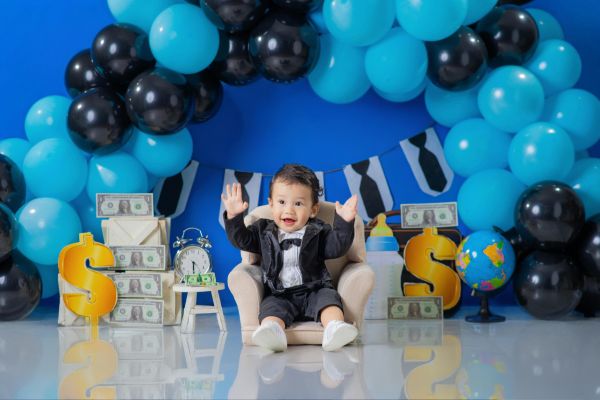
Take a few photographs of the birthday setup while the space is still calm. This may include the cake table, balloons, banners, floral arrangements, party favors, handmade signs, and any sentimental objects included in the display.
The goal is not to document every decoration from every angle. A few carefully framed images are usually enough. Include one wider photograph that shows the overall setting, followed by closer images of meaningful details.
Perhaps the cake topper includes the baby’s name. Maybe a table displays monthly photographs from birth to twelve months. A handmade banner created by a grandparent may deserve its own image because it carries a personal story.
Lighting matters here. Natural window light often creates softer photographs than harsh overhead lights. If possible, photograph the details during daylight and before candles, plates, and gift bags begin moving around.
Capture a Clear First Birthday Portrait
A first birthday portrait is often the photograph families frame, share, or place in an album.
Try to capture at least one clear image in which the baby’s face is visible and the background is not overly distracting. The child does not need to look directly at the camera. A natural smile, curious expression, or thoughtful glance can feel more authentic than a perfectly posed grin.
Choose a time when the baby is rested and comfortable. Taking this portrait before the main excitement begins may prevent tiredness or overstimulation from affecting the moment.
Keep the setup simple. A chair, blanket, window, or small section of the decorated area may be enough. One-year-olds move quickly and rarely cooperate for long, so allow the portrait to happen through play. A favorite toy, song, or familiar voice can help bring out a natural expression.
The birthday outfit should also be photographed clearly before cake, juice, or party snacks leave their mark. Stains are part of the fun later, but it is useful to have one clean, early portrait.
Include Parents in the Story
Parents often spend the party organizing food, greeting guests, cleaning hands, and helping the baby through each activity. As a result, they may appear in fewer photographs than everyone else.
A complete baby’s first birthday photo checklist should include intentional pictures of the child with each parent, as well as a photograph of the whole immediate family.
These images do not have to be formal. A mother adjusting a birthday hat, a father lifting the baby into the air, or both parents laughing during the cake moment can feel deeply personal.
Try to include affectionate gestures rather than only camera-facing poses. A kiss on the forehead, a baby gripping a parent’s finger, or a quiet cuddle can communicate more than a perfectly arranged family portrait.
Years later, the child will not only want to see what they looked like. They may also want to see how their parents looked at them.
Record Connections With Grandparents and Relatives
First birthdays often bring several generations together.
Photographs with grandparents can become especially valuable over time. Capture both posed and natural moments, such as a grandparent holding the baby, helping with a gift, telling a story, or simply watching from across the room.
Include siblings, cousins, aunts, uncles, and close family friends where possible. Group photographs can be useful, but smaller interactions often carry more emotion.
A cousin sharing a toy, an older sibling helping the baby open a present, or a relative making the child laugh may tell the story of the family more naturally than a large lineup.
Do not wait until the end of the party to take every family photograph. Guests may leave early, children may become tired, and the birthday baby may lose interest. Capture important relationships gradually throughout the celebration.
Photograph the Birthday Cake Before and After
The cake usually plays a central role in first birthday photographs.
Begin with a clean photograph before it is cut or touched. Capture the full cake, then take a closer image of the candle, topper, icing details, or written message.
When the baby meets the cake, prepare for unpredictability. Some children immediately reach into the icing. Others stare at it suspiciously. A few cry when everyone begins singing. All of these reactions are worth photographing.
Focus on the sequence rather than waiting for one perfect image. Capture the cake being placed in front of the baby, the first touch, the first taste, the family’s reaction, and the messy result.
The classic cake-smash photograph is popular, but there is no need to force it. A baby carefully touching the icing with one finger can be just as charming as a full face covered in cake.
Take a final image of the messy hands, stained outfit, crumbs on the high chair, and delighted or confused expression. Those small details often become family favorites.
Preserve the Candle and Birthday Song Moment
The first birthday song is brief, emotional, and easy to miss.
Photograph the baby’s face while everyone sings. The child may look surprised by the attention or fascinated by the glowing candle. Include the people gathered around the table, even if the image is less polished. Their expressions are part of the memory.
A close photograph of the candle can be meaningful, but safety should remain the priority. An adult may need to hold the cake, guide the baby’s hands, or blow out the candle on the child’s behalf.
Capture the applause afterward. Babies often react more strongly to the cheering than to the candle itself.
Document Gifts Without Making Them the Whole Story
Gift opening can provide sweet, spontaneous photographs, although a one-year-old may be more interested in wrapping paper than the present inside.
Capture a few moments rather than photographing every package. A baby tearing paper, examining a ribbon, sitting inside a large box, or passing a toy to another child can create lively images.
Photograph the person who gave the gift when possible. This adds context and turns a simple present-opening image into a memory of connection.
Avoid asking the child to open too many gifts at once. A tired or overwhelmed baby will not enjoy the experience, and the photographs may begin to feel repetitive. Gifts can always be opened later in a quieter setting.
Look for Small Details That Show Their Age
At one year old, a baby changes almost daily.
Photograph the little features that define this stage. Tiny fingers holding a spoon, unsteady feet near a chair, a favorite facial expression, a curl of hair, or the way the baby crawls across the floor may eventually feel more precious than the formal party images.
Include photographs at the child’s eye level. Adults naturally photograph babies from above, but lowering the camera creates a more intimate view of their world.
A photograph of the baby watching balloons move, reaching toward a sibling, or examining a new toy can show genuine curiosity. These details reveal who the child was at that moment, not just what the party looked like.
Capture the Unplanned Moments
First birthday celebrations rarely follow the schedule perfectly.
A balloon may escape. The birthday hat may be removed immediately. The baby may fall asleep during the party or crawl away during the family portrait. These moments are not photographic failures. They are often the most honest parts of the day.
Keep the camera nearby, but do not experience the whole celebration through a screen. Some moments need to be lived first and photographed second.
Ask a trusted relative or friend to take photographs occasionally so parents can appear naturally in the celebration. This also allows everyone to enjoy parts of the event without constantly thinking about angles and lighting.
Finish With the End of the Day
The final photographs can bring the birthday story to a gentle close.
Capture the baby after the guests leave, perhaps holding a new toy, sitting among wrapping paper, or resting against a parent. The decorations may look slightly untidy, and the birthday outfit may be stained. That is exactly what makes these images feel complete.
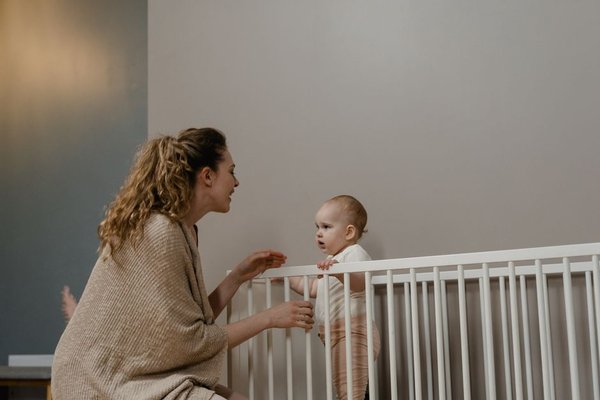
A sleepy face, an abandoned party hat, or one remaining balloon beside the crib can express the quiet after a very full day.
Remember the Feeling, Not Just the Schedule
A useful baby’s first birthday photo checklist provides guidance, but it should not turn the celebration into a rigid photography session.
The most valuable images will not always be the sharpest or most carefully arranged. They will be the photographs that return parents to the feeling of the day: the nervous excitement before guests arrived, the baby’s reaction to the candle, the laughter around the cake, and the tired cuddle at the end.
A first birthday lasts only a few hours, but its photographs become part of a family’s history. By capturing the details, relationships, emotions, and unexpected moments, parents can preserve not only what the celebration looked like, but what it truly felt like.