Choosing between ready-to-feed formula and powder feels straightforward until you are making a bottle at 3am or feeding a hungry baby away from home. Both formats can meet your baby’s nutritional needs, but they fit daily routines differently.
For UK parents comparing ready-to-feed formula vs powder, the useful questions are practical: How much preparation is involved? What can be stored safely? Is the convenience worth the extra cost?
What is the difference?
Ready-to-feed formula, also called liquid formula or ready-made baby milk, arrives already mixed in a sealed bottle or carton. It is sterile until opened. No extra water or measuring is needed, although bottles and teats still require sterilising.
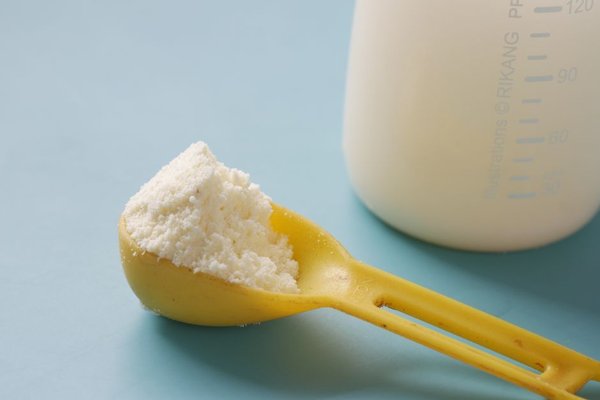
Powdered formula is mixed with water before feeding. It usually costs less per prepared bottle and is easier to store in bulk, but the powder itself is not sterile. Careful formula preparation is essential.
Both formats of standard first infant formula must meet UK nutritional requirements. A more expensive product is not automatically better. The NHS advises using first infant formula as the main milk drink throughout the first year for formula-fed babies.
Preparation: where the time goes
Making a bottle from powder
The NHS recommends preparing feeds one at a time, when needed. Wash your hands, clean the work surface and use a washed, sterilised bottle. Boil at least one litre of fresh cold tap water and allow it to cool for no more than 30 minutes, ensuring it remains at least 70°C.
Measure the hot water into the bottle first, add the exact number of level scoops specified on the pack using its own scoop, then mix. Cool the closed bottle under cold running water and check the temperature on your wrist before feeding.
Do not dilute feeds with extra water, add extra powder or use a microwave. If you have a preparation machine, the water must still be at least 70°C when it mixes with the powder. Our guide to preparing powdered formula safely can help you establish a consistent routine.
Using ready-to-feed milk
Wash your hands, check the expiry date, open the container and pour the required amount into a sterilised bottle, unless the product has an appropriate sterile feeding teat. No kettle, mixing or cooling stage is needed.
Liquid formula may be given at room temperature if your baby accepts it. If warming it, follow the packaging directions and never microwave it. Convenience reduces preparation steps; it does not remove hygiene requirements.
How each format fits real life
Regular feeds at home
Powder is often the sensible everyday choice when you have a clean kitchen, hot water and a predictable place to prepare bottles. The lower cost can add up over weeks, although every bottle still needs careful handling.
Night-time feeding
Ready-made milk can make an unsettled night simpler because there are no scoops or hot-water preparations. But do not leave an opened bottle beside the bed for hours. The same discard rules apply after feeding.
A useful compromise is powder for routine daytime feeds and a few unopened ready-to-feed portions for difficult nights. Choose products suitable for your baby’s age and needs.
Outings and travel
For a train journey or appointment, a sealed portion of ready-to-feed formula and sterilised bottle can be easier than finding suitable facilities. Smaller cartons may reduce waste when your baby takes modest amounts.
If taking powder, NHS advice is to carry measured powder in a clean, dry container, an empty sterilised bottle and a clean flask of freshly boiled water. The water must remain at least 70°C when you make the feed. Where safe mixing is impossible, use ready-to-feed liquid instead. A guide to formula feeding when travelling can help with packing.
Storage, hygiene and waste
Unopened ready-to-feed milk should be stored according to the label. Many products can stay at room temperature before opening. Once opened, the NHS says unused liquid formula must be refrigerated and used within 24 hours. Pour only what your baby needs, and discard any milk left in a bottle after a feed.
Store powder in its original container and follow the manufacturer’s instructions, including its use-after-opening period. Prepared powder is different from dry powder: making each feed fresh is safest. NHS guidance says to discard unused formula kept at room temperature for more than two hours, as well as any leftovers after feeding.
A large liquid carton may look economical but lead to waste if your baby only drinks small amounts. Smaller portions reduce that risk but add packaging. Whichever format you use, follow guidance on sterilising baby bottles and teats.
Which is cheaper?
Powdered formula generally costs less per feed. Ready-to-feed formula charges a premium for being mixed, portable and immediately usable. Compare the price per 100ml of prepared formula rather than comparing one tin’s shelf price with one carton.
For example, a family using powder for most bottles but ready-made milk during a weekly outing may pay only a small convenience premium. Replacing every bottle with liquid formula would have a much larger effect on spending. Check current prices and pack directions because costs vary.
Also account for discarded feeds. If liquid regularly goes unused after opening, its practical cost rises. If hot-water preparation is difficult outside the home, the convenience of a sealed carton has real value.
How to choose without overthinking it
Picture a normal week. Count the feeds you make at home, those that happen while travelling and the times someone else feeds your baby. Check whether a safe preparation space and sufficiently hot water are reliably available.
Powder suits many predictable home routines. Ready-to-feed is particularly useful when preparation facilities are limited. Using both formats for different situations may be more practical than committing to just one.
If your baby needs specialist formula, has suspected allergies or struggles with feeds, speak to your health visitor, midwife or GP before switching. Specialist products may have different preparation requirements or may not be available in both formats.
Frequently asked questions
Is ready-to-feed formula safer than powder?
Ready-to-feed liquid is sterile until opened; powder is not sterile. Powder can be used safely when prepared according to NHS guidance. Both formats require hygienic handling and sterilised feeding equipment.
Can I alternate between liquid and powdered formula?
Many babies can use both formats of an age-appropriate first infant formula. Check the products carefully, especially if using specialist milk, and ask a health professional about feeding concerns.
Does ready-made baby milk need warming?
No. It can be offered at room temperature if your baby is happy with that. If warming, follow the product instructions, never microwave it and check the temperature first.
Can I mix powdered bottles before leaving home?
The NHS recommends freshly made feeds. Take measured powder and sufficiently hot water to prepare it when needed. If that is not possible, sealed ready-to-feed formula is the more practical option.
The choice that fits your routine
Powder generally wins on everyday cost, while ready-to-feed wins on speed and portability. Storage, waste and access to safe preparation facilities often settle the question. Choose the format, or combination, you can use consistently and safely during an ordinary busy week.