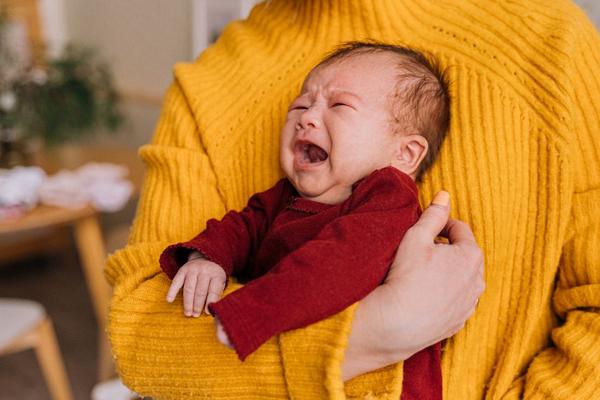
A baby who felt comfortable at their vaccination appointment may seem unusually warm or unsettled that evening. Fever after baby vaccinations can be worrying, especially when your child is too young to explain how they feel. Reassuringly, a short-lived temperature is a recognised response to some vaccines. Still, the timing, your baby’s age and how they behave matter more than assuming every fever comes from a jab.
Why can vaccinations cause a fever?
Vaccines teach the immune system to recognise particular infections. As that response develops, the body may temporarily raise its temperature. A fever is generally defined as 38°C or above. Your baby might also be sleepier, grumpier or less interested in feeding.
A fever does not mean a vaccine has caused the disease it is intended to prevent. Nor does a higher post vaccine temperature mean stronger protection. Babies can develop good immunity without any noticeable fever.
When does fever after baby jabs usually start?
After routine early infant vaccinations, fever often develops on the same day and settles within one or two days. The meningococcal B (MenB) vaccine is particularly associated with fever when given alongside other routine injections at eight and twelve weeks in England. UK Health Security Agency guidance says this temperature often peaks around six hours after vaccination and is almost always gone within 48 hours.
Timing changes with some later vaccines. The MMRV vaccine, which protects against measles, mumps, rubella and chickenpox, can sometimes produce a fever about six to ten days afterwards. So a delayed temperature after a twelve-month appointment is not necessarily unusual. However, a new illness can occur around the same time as immunisation, and the vaccination date alone cannot establish the cause.
How to measure and monitor your baby’s temperature
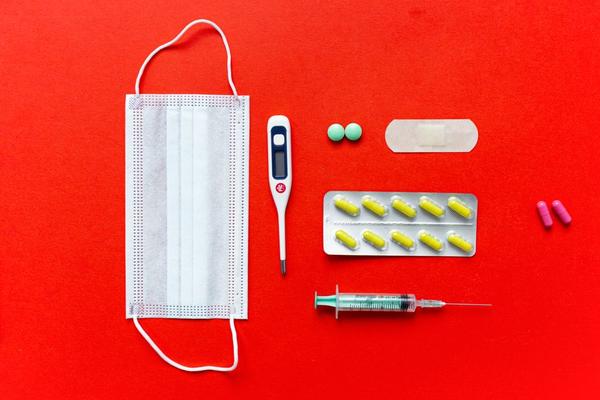
Feeling a warm forehead is a prompt to check, but it cannot give an accurate reading. Use a digital thermometer placed high in the armpit, holding your baby’s arm against their body for the period specified by the manufacturer. If your baby has just had a bath or has been bundled in blankets, allow them to settle before measuring.
Write down the reading, the time, which vaccinations were given and any medicine administered. Consider the bigger picture: Is your baby waking normally, looking towards you and accepting feeds? Are wet nappies continuing as expected? A baby who remains responsive and drinks reasonably well is different from one who is unusually difficult to wake or refusing feeds.
Helping a baby feel comfortable at home
If your baby is otherwise well and a healthcare professional has not advised assessment, simple care can make the next day easier. Offer breastfeeds or formula more frequently if your baby wants smaller amounts, and continue usual milk feeds rather than giving extra water to a young infant. Keep clothing comfortable and avoid too many layers or heavy blankets.
Let your baby rest, but check on them regularly, including overnight. Cuddles and a calm room may help with the irritability that accompanies a vaccination fever baby parents often notice. Do not use cold baths, sponging or fans to force the temperature down. These measures can cause discomfort without treating the response.
One practical tip is to prepare an overnight note before bedtime: record the last feed, wet nappy, temperature and any medicine time. If you need to speak to NHS 111, these details can make the conversation clearer.
Does your baby need paracetamol?
Paracetamol is not automatically needed after every vaccine. In England, however, specific advice applies after the MenB vaccinations at eight and twelve weeks. UK guidance recommends three doses of infant paracetamol suspension at a strength of 120 mg per 5 ml: 2.5 ml as soon as possible after vaccination, followed by another 2.5 ml four to six hours later and a third dose four to six hours after that.
Leave at least four hours between doses and never give more than four doses in 24 hours. This MenB advice is a specific exception to the usual instructions for very young babies. Check the concentration on the bottle and confirm the plan with the vaccination nurse or pharmacist, particularly if your baby was born very prematurely or has other medical needs. Do not apply this schedule to other fevers without professional advice.
For other vaccines, follow age-appropriate medicine directions and seek advice if unsure. Never give aspirin to children. Do not alternate paracetamol and ibuprofen unless a healthcare professional recommends it, and do not give ibuprofen to babies under three months. Treat discomfort rather than trying to achieve a particular number on the thermometer.
When is a post-vaccination fever a reason to seek help?
Do not dismiss concerning symptoms as normal baby immunisation fever. NHS advice is to seek urgent medical advice through a GP or NHS 111 if a baby under three months has a temperature of 38°C or higher, or a baby aged three to six months has a temperature of 39°C or higher. Mention recent vaccines when you call, but remember vaccination does not rule out an infection.
Also seek prompt medical advice if your baby is feeding poorly, has fewer wet nappies, seems unusually unwell, or has a high temperature continuing beyond 48 hours after MenB vaccination. A fever that improves and then returns deserves attention, particularly with new symptoms.
Call 999 or seek emergency care for serious breathing difficulty, a baby who is unresponsive or cannot be woken normally, a seizure, blue or grey colouring, or a rash that does not fade when pressed with a glass. Do not wait for a rash if your baby appears seriously ill. A worrying change in usual behaviour is reason to get help.
Frequently asked questions
Is a fever after baby vaccinations normal?
Yes, a mild, temporary fever is a recognised side effect of some vaccinations, especially MenB given with early infant vaccines. But not every baby gets one, and a fever should still be considered alongside age and symptoms.
How long should a vaccine-related fever last?
For early routine injections, it generally settles within 24 to 48 hours. A later MMRV vaccination can cause a delayed fever six to ten days afterwards. Get medical advice for a persistent fever or any concerning change.
Can my baby have a fever even after paracetamol?
Yes. Paracetamol reduces the chance of fever and may relieve discomfort, but it cannot prevent every temperature rise. Follow the relevant dosing guidance and seek help if your baby appears unwell.
Does no fever mean the vaccination has not worked?
No. Many babies have no fever after immunisation. The presence or absence of a temperature does not reliably indicate how much protection their immune system has developed.
A final word for parents
The most useful way to judge fever after baby vaccinations is to consider the thermometer reading together with your baby’s age, feeding, alertness and time since the injections. Most expected reactions settle quickly. Follow the specific MenB advice where relevant, and ask for medical help whenever something does not seem right.