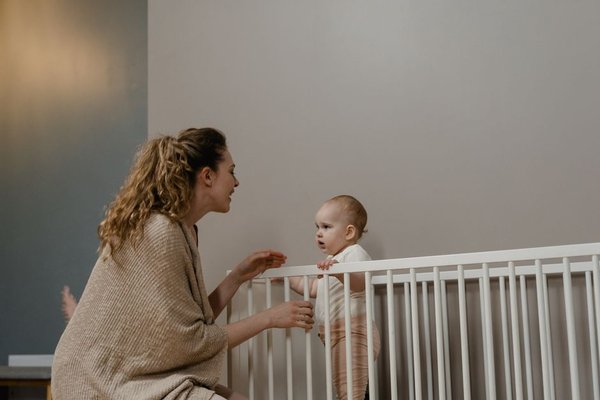
Bringing a baby home changes the way you see your space. What once felt calm and familiar suddenly looks full of sharp corners, dangling cords, and mysterious objects at floor level. Learning how to baby proof your house isn’t about turning your home into a padded bunker. It’s about creating a safer environment that lets your child explore while giving you a little peace of mind.
Baby-proofing is less a one-time task and more an evolving mindset. As your baby grows, crawls, stands, and eventually runs, new risks appear. The goal is to stay a step ahead without losing the warmth and functionality of your home.
Understanding Your Baby’s World Before You Start
The easiest way to begin baby-proofing is to get down on the floor. Literally. Crawling around your house gives you a baby’s-eye view of hazards you might otherwise miss. Electrical outlets suddenly sit at eye level. Furniture edges loom large. Small objects under couches become irresistible treasures.
Babies explore with curiosity and zero caution. They don’t understand danger, but they are experts at finding it. Knowing this helps you approach baby-proofing with realism instead of anxiety. You’re not trying to eliminate every possible risk, just the obvious and preventable ones.
Making the Living Room Safer Without Making It Sterile
The living room is often where babies spend the most time, which makes it a top priority. Heavy furniture like bookshelves and TVs should feel immovable. If something could tip over when pulled, leaned on, or climbed, it needs securing.
Coffee tables and low furniture deserve special attention. Sharp corners are practically designed to meet foreheads at crawling height. Soft corner protectors can make a real difference without changing the look of the room too much.
Loose cords, whether from lamps or electronics, are another quiet hazard. They’re tempting to tug and surprisingly dangerous. Keeping cords tucked away or secured against walls reduces the risk of pulling something heavy down.
Turning the Kitchen Into a Controlled Zone
The kitchen can feel overwhelming to baby-proof, mostly because it’s full of items that are genuinely dangerous. Hot surfaces, sharp tools, cleaning products, and heavy appliances all live here.
Start with the cabinets. Lower cabinets almost always need child locks, especially those holding cleaning supplies, medications, or breakable items. Even cabinets that seem harmless can become toy chests for babies who love emptying shelves one by one.
Appliances deserve respect, too. Ovens, dishwashers, and refrigerators are fascinating to little hands. Making sure these are either locked or constantly supervised helps prevent burns, pinched fingers, and unexpected messes.
Cooking while caring for a baby requires constant multitasking. Simple habits, like turning pot handles inward and keeping hot drinks far from edges, become part of your everyday safety routine.
Baby Proofing Bedrooms for Sleep and Play
Bedrooms often feel safer than other parts of the house, but they come with their own set of concerns. In the baby’s room, the crib setup matters more than many parents realize. Less is more. Soft bedding, pillows, and loose blankets may look cozy but can pose real risks for infants.
Dressers and changing tables should always be stable. Babies grow stronger quickly, and what starts as a gentle pull can become a serious tipping hazard. Anchoring furniture early saves worry later.
Adult bedrooms also need attention. Nightstands, jewelry, cords, and medications are all tempting items at baby height. If your child spends time in your room, treat it with the same care you give shared spaces.
Creating a Safer Bathroom Environment
Bathrooms combine water, slippery surfaces, and chemicals, which makes them deceptively risky. Even a small amount of water can be dangerous, so keeping toilet lids secured and never leaving standing water unattended is crucial.
Cabinet locks are especially important here. Toiletries, medications, and cleaning products are often stored within easy reach. What looks like an innocent bottle to an adult can be a serious hazard to a curious baby.
Temperature control is another detail that often gets overlooked. Babies’ skin is more sensitive, and sudden changes in water temperature can cause burns. Adjusting water heater settings and always checking bath water by hand become part of daily life.
Stairways and Hallways Need Extra Attention
Stairs are one of the most obvious dangers in a multi-level home. Safety gates at the top and bottom are essential once your baby starts moving independently. Even before crawling begins, installing gates early helps build good habits for everyone in the household.
Hallways may seem harmless, but they often serve as highways between rooms filled with furniture, decor, and doors that slam shut unexpectedly. Making sure doors close softly and that hallways stay clutter-free reduces unnecessary bumps and falls.
Lighting also matters more than you might think. Well-lit pathways help both you and your baby navigate safely, especially during nighttime feedings or diaper changes.
Dealing With Windows, Doors, and Hidden Hazards
Windows can be surprisingly dangerous once babies start standing and climbing. Keeping furniture away from windows and ensuring locks are functional helps prevent falls. Blind cords deserve special attention, as they pose a strangulation risk if left hanging.
Doors, especially heavy ones, can pinch little fingers in an instant. Slow-close mechanisms or simple awareness can help reduce injuries. It’s often the everyday moments, not dramatic accidents, that cause the most tears.
Hidden hazards also deserve respect. Coins, batteries, and small decorative items have a way of migrating to the floor. Regular sweeps of common areas help keep choking risks in check without constant stress.
Baby Proofing Is a Process, Not a Deadline
One of the most comforting truths about learning how to baby proof your house is that you don’t need to do everything at once. Babies develop in stages, and each stage brings new abilities and new risks.
What matters is staying observant. As soon as your baby masters a new skill, whether it’s rolling, crawling, or pulling up, reassess your space. The house you baby-proof for a six-month-old will look different from the one that works for a curious toddler.
It’s also okay to trust your instincts. No checklist knows your home better than you do. If something makes you uneasy, it’s worth addressing, even if it doesn’t appear on a standard baby-proofing guide.
A Calm, Confident Approach to Home Safety
Baby-proofing isn’t about fear. It’s about awareness, preparation, and balance. A well-protected home gives your child room to explore safely and gives you the freedom to enjoy those early moments without constant worry.
As your baby grows, your house will grow with them, adapting in small, thoughtful ways. Learning how to baby proof your house easily doesn’t mean perfection. It means creating a space where curiosity is welcomed, risks are managed, and family life feels just a little more relaxed.
In the end, the safest homes aren’t the ones filled with gadgets and locks everywhere. They’re the ones shaped by attentive parents, evolving spaces, and a steady understanding that safety and comfort can exist side by side.