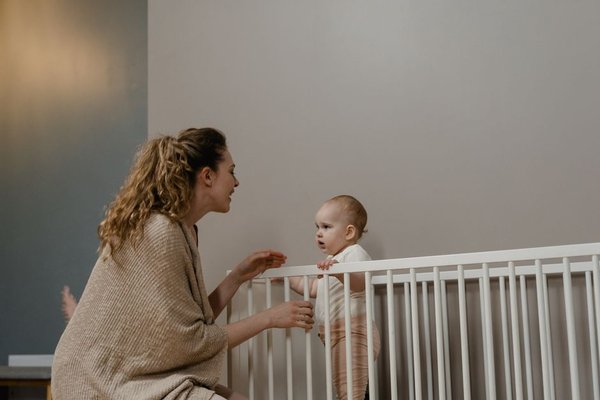
Parenting Feels Lighter When It Becomes Shared
Parenting can quietly become uneven without anyone planning it that way. One parent remembers the diaper sizes, the school forms, the bedtime routine, the favorite cup, the doctor’s appointment, and the strange way a toddler insists their sandwich must be cut. The other parent may love the child deeply, yet somehow stays on the edge of the daily rhythm. Over time, that small distance can turn into frustration.
Involving partner in parenting is not only about asking for help. That word, “help,” can sometimes make parenting sound like one person’s main job and the other person’s occasional favor. A healthier approach is shared responsibility. Both parents may not do everything in the same way, and they may not divide every task perfectly, but both should feel emotionally and practically present in family life.
Start With Honest Conversations, Not Accusations
Many parenting conflicts begin long before the actual argument. One parent feels unsupported. The other feels criticized or unsure where they fit. By the time the issue comes out, it may sound sharper than intended.
A calm conversation can change the tone. Instead of saying, “You never help with the kids,” it may be more useful to say, “I feel overwhelmed managing so many parenting details alone, and I need us to share this more clearly.” That small shift matters. It moves the conversation away from blame and toward teamwork.
It also helps to be specific. A partner may not realize how much invisible work is happening in the background. Packing snacks, checking homework, noticing when clothes are too small, remembering birthday parties, and keeping track of sleep schedules are all real parenting labor. Naming these tasks makes them easier to share.
Let Your Partner Build Their Own Parenting Style
One reason partners stay less involved is that they feel watched or corrected every time they try. This can happen with the best intentions. If one parent has spent more time with the child, they naturally know the routines better. But constant correction can make the other parent feel like a guest in their own family.
Children benefit from different parenting styles, as long as they are safe, loving, and respectful. Maybe your partner reads bedtime stories with funny voices instead of using your calm routine. Maybe they pack lunch differently. Maybe bath time gets a little messier. These differences are not always problems. Sometimes they are the beginning of a stronger bond.
Of course, important values should be shared. Safety, kindness, discipline, screen time boundaries, and sleep routines need agreement. But within those boundaries, give your partner room to parent without needing to copy you exactly.
Share the Mental Load, Not Just the Tasks
It is easy to divide parenting into visible chores. One parent handles school drop-off, the other handles dinner. One gives baths, the other takes care of bedtime. That helps, but it does not solve everything.
The mental load is the thinking behind the tasks. It is noticing that the baby is almost out of wipes. It is remembering that the school project is due Thursday. It is knowing which friend your child is struggling with, or which shoes no longer fit. When only one person carries that thinking, even a helpful partner can still feel like another person to manage.
Involving partner in parenting means inviting them into the planning, not just the doing. Let them schedule the dentist appointment from start to finish. Let them manage the sports uniform, the birthday gift, or the bedtime routine without step-by-step instructions. Real involvement grows when both people carry responsibility from beginning to end.
Create Routines That Naturally Include Both Parents
Family routines can make shared parenting easier because they remove the need to negotiate every small task. If one parent always handles mornings and the other always handles bedtime, everyone knows what to expect. If weekends include one-on-one time with each parent, the child gets steady connection with both.
These routines do not need to be rigid. Life changes. Work schedules shift. Children get sick. Some weeks are messy. Still, a basic rhythm gives both parents a place in the family’s everyday life.
Simple rituals can be especially powerful. A Saturday breakfast routine, evening walk, school pickup conversation, or nightly story can become a child’s emotional anchor. The point is not perfection. The point is presence, repeated often enough that the child feels it.
Avoid Gatekeeping, Even When It Feels Hard
Parental gatekeeping happens when one parent controls access to parenting tasks, decisions, or routines. Sometimes it comes from anxiety. Sometimes from habit. Sometimes from the belief that “it is just easier if I do it myself.”
And honestly, sometimes it is easier in the short term. You may pack the bag faster. You may know the doctor’s office number by heart. You may calm the child quicker. But if one parent always steps in, the other never gets the chance to grow confident.
Let your partner make mistakes that are not harmful. A forgotten water bottle is not the end of the world. A mismatched outfit can become a funny photo. Confidence comes from practice, and practice requires space.
Make Parenting Decisions Together
Children notice when parents are disconnected. They may not understand the details, but they sense tension, confusion, or inconsistency. When one parent sets a rule and the other ignores it, the child learns to move between them. This can create stress for everyone.
Shared parenting does not mean agreeing instantly on everything. It means discussing important choices together. Discipline, school decisions, family routines, religious or cultural values, money lessons, and technology boundaries all deserve joint attention.
These conversations are not always easy. Each parent brings their own childhood, fears, habits, and expectations into the room. One may value structure. The other may value flexibility. One may worry about being too strict, while the other worries about being too soft. The goal is not to erase those differences. It is to create a family approach that feels thoughtful and consistent.
Appreciate Effort Without Turning It Into Applause
Partners need appreciation, but parenting should not become a performance where one person gets praised for basic responsibility. There is a balance here. Saying “thank you for handling bedtime” can feel warm and respectful. Acting amazed that a parent changed a diaper or packed lunch can accidentally reinforce the idea that their involvement is unusual.
A good approach is mutual appreciation. Both parents should feel seen. Both should be able to say, “Today was hard,” and receive understanding. Gratitude works best when it flows both ways, not when one parent is treated as the main worker and the other as a surprising volunteer.
When Work Schedules Are Unequal, Connection Still Matters
Not every family can divide parenting equally by time. One partner may work longer hours, travel often, or manage demanding shifts. Another may be at home more. In those cases, fairness does not always mean identical schedules.
Still, connection can be intentional. A busy parent can handle a predictable routine when they are home. They can make school calls, attend appointments when possible, pack lunches at night, or take full charge for a few hours on weekends. Even short, focused involvement matters when it is consistent.
Children do not need both parents to be available every minute. They need to feel known. They need a parent who remembers their stories, notices their feelings, and shows up in ways they can trust.
Talk About Resentment Before It Hardens
Resentment is one of the quietest threats to shared parenting. It builds in small moments: the bottle left unwashed, the appointment forgotten, the bedtime struggle handled alone again. If it is ignored too long, even ordinary conversations can start to carry old anger.
It is better to speak early, before everything becomes heavy. Not every conversation has to be dramatic. Sometimes it can be as simple as, “I am starting to feel alone in this part of parenting. Can we adjust how we are doing things?”
A strong partnership leaves room for repair. There will be tired days, unfair weeks, and missed signals. What matters is the willingness to return to the conversation and try again.
Shared Parenting Helps Children Feel Secure
When children experience both parents as involved, they gain more than practical care. They see cooperation. They learn that love includes responsibility. They feel supported by more than one emotional anchor.
This also helps the parents. One person does not have to carry the whole weight. The other does not have to feel distant or unsure. Parenting becomes less like a handoff and more like a shared life.
Conclusion
Involving partner in parenting is not about creating a perfect division of every task. It is about building a family rhythm where both parents are active, trusted, and emotionally present. That takes conversation, patience, and the willingness to let each other grow.
Some days will still feel uneven. Some routines will need adjusting. But when both partners keep showing up, parenting becomes less lonely and more connected. And for a child, that shared presence can become one of the deepest forms of security.